Who we are
Our Mission
Meet the Team
Impact Partners
Where We Operate
Youth Leadership Committee
What We Do
Why Periods?
The DfG Pad
Health Education
Social Enterprises
Policy and Advocacy
Our Impact
Blog
Podcast
Videos
Annual Reports
In the News
Ways to Give
Get Involved
Give
#daysforgirls
Period Positive Workplace Testimonial: Dignifica Tu Vida
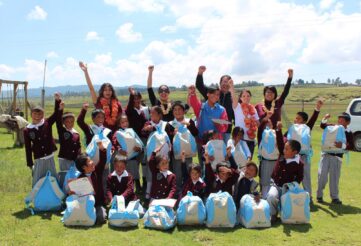
Dignifica Tu Vida is an organization dedicated to serving Indigenous women and children in Mexico. Menstrual education stands as a core…
Breaking Barriers: Chipo Chikomo’s Journey to Social Entrepreneurship
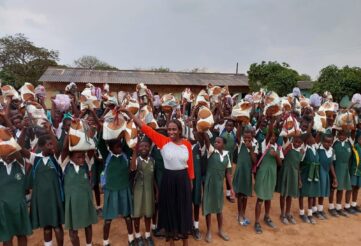
Chipo Chikomo’s path to becoming a leader in the menstrual health (MH) field was unexpected, and her impact so far has…
Period Positive Workplace Testimonial: Slum Soccer
Slum Soccer, a nonprofit organization based in India, has used the game of soccer to reach underprivileged and homeless youth since…
Days for Girls Advocating for Menstrual Health at the CSW68 Forum in New York
Last month, Days for Girls International had the opportunity to advocate for menstrual health at the CSW68 NGO Forum in New…
Days for Girls Malawi and USAID Youth Excel: The Role of Menstrual Health and Hygiene in Education
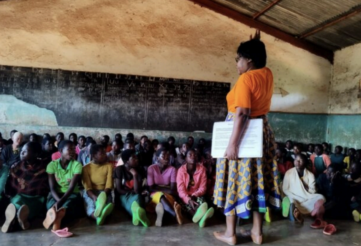
In 2023, Days for Girls Malawi (DfGM) was awarded a grant from USAID’s Youth Excel, with support from the USAID Office…
Webinar Report: Canada’s Journey to Accelerate Gender and Menstrual Equity
Investing in efforts to advance menstrual health (MH) equality is a crucial step toward reaching gender equality. This is true of…
Announcing the Canada Menstrual Health Snapshot
Beginning in 2022, Days for Girls (DfG) – in collaboration with WASH United – began the Menstrual Health Country Snapshot project.…
International Women’s Day 2024
Tomorrow, March 8, is International Women’s Day (IWD)! For 2024, the UN theme, “Invest in Women: Accelerate Progress,” reminds us of…
From Homelessness to Menstrual Health Advocacy: Meet Christine Okii Khatima
No one prepared Christine for her first period. She was at school when the blood came, causing her to panic. She…
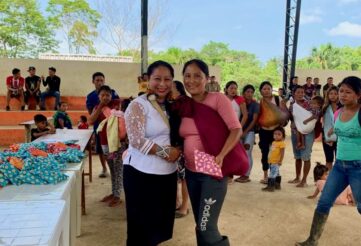
DfG Ecuador: Empowering Indigenous Women Through Menstrual Health
In Ecuador’s remote, indigenous communities, there are limited educational, professional and social opportunities for girls and women. They also lack access…
Load more