Mary almost gave up on life… but a gift brought her back
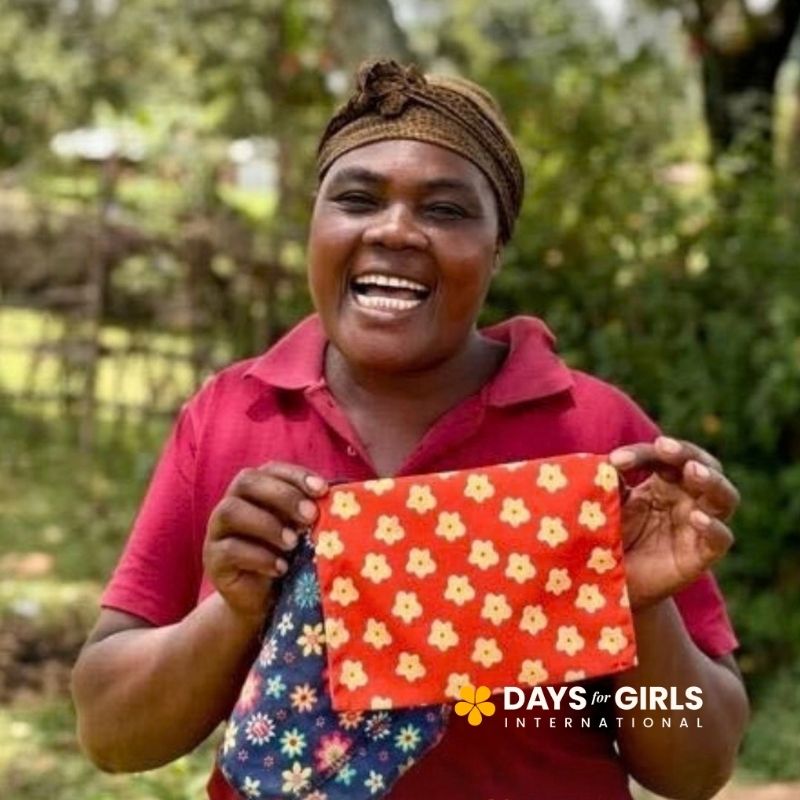
Mary Gechuru, 38 years old, is a widowed mother of four living in Nyamira County. Mary shared, “Since losing my husband a few years ago, life has been full of struggle — but nothing has been as difficult as dealing with menstruation, both for me and my daughters.”
She reflects on the ways that period poverty influenced the way she moved through life.
“We couldn’t afford sanitary pads. For years, my girls and I used one pad the whole day. Sometimes, I would give up my own pad just to make sure my daughters could go to school. I stayed home during my periods, missing community meetings — even chamas* — because of shame. Every time I missed a chama, I faced penalties, but how could I go out when I felt so exposed, so embarrassed? The stigma was heavy.”
Amidst these social and economic challenges, Mary remembers “a time [when] I almost gave up completely. I remember thinking: maybe I should follow my late husband. I felt useless, trapped by poverty and womanhood.”
A community health promoter from Days for Girls Kenya visited Mary’s homestead in Nyamira County. Mary says, “What happened that day changed my life forever.”
That day Mary learned about Days for Girls Menstrual Health education and kits. The pads last up to three years; something that makes a world of difference for her and her family.
Plus, Mary learned that Days for Girls kits would be given to her at no cost.
“Free? For women like me?”
“I nearly cried. I had to hold back tears. When I was handed the kit, I said, ‘Thank you, God.’ I could hardly believe it. A free gift…for me. That day, something inside me woke up — a sense of dignity, of hope.”
With that new found sense of hope, Mary declared, “Today, I am a step ahead. I no longer hide during my periods. I attend chamas without fear, I move freely in my community, and I work hard every day to save for my daughters. I want to make sure they never go through what I went through.”
Now Mary speaks to women throughout her village, educating them on the sustainability and health benefits of reusable pads.
“My plea to our County Government: please help produce more reusable pads for women and girls in need. And to Days for Girls: please keep doing this great work. We need more support, more kits, more hope.”
*Chamas are community-based investments and contribute significantly to economic/social opportunities in Nyamira County.
Click here to learn more about Days for Girls’ transformative education across every stage of life.