400+ businesses, in 62 countries, reaching almost half a million employees across the globe!
Last month, the Period Positive Workplace (PPW) initiative celebrated an important milestone: over 400 businesses in 62 countries have received PPW certification, creating menstrual-friendly workplaces for almost half a million employees across the globe.
As the movement gains momentum, the PPW Coalition is working to provide practical resources to help workplaces better support employees during their periods. On September 30, 2026, the Coalition hosted its annual webinar, “Implementing a Period Positive Workplace: Why the 21st Century Bathroom Makes Good Business Sense,” which shared key findings from a PPW implementation report, followed by presentations from two keynote speakers and a panel of experts from the menstrual health industry.
Summary of key webinar takeaways:
- The PPW pays off. The 2026 implementation report found an average cost of $2.99 per employee per month, a small input that can lead to a 2:1 return on investment.
- There’s a free standard to build on. ISO 45010 is a new global standard providing guidance on menstruation and menopause in the workplace.
- Start small. Piloting in the busiest restrooms helped one workplace become the first PPW-certified hospital.
- Remote teams can participate. Workplaces can provide products through direct home shipments or stipends.
- Workplace education is a key element. When workplaces provide inclusive menstrual health training for employees, they help shatter stigma and uplift employees.
- Placement matters. One modeled study estimated that supplying products directly in bathroom cubicles led to an illustrative 10x return.
Key Survey Findings
The webinar began with findings from the PPW’s 2026 implementation report. The report revealed the benefits of providing period products: at a global monthly average cost of only $2.99 per employee, joining the PPW led to decreased stigma surrounding menstruation, more inclusive work environments, and improved well-being of employees. Research also shows that investments in menstrual health at the workplace yield a 2:1 return on investment – thanks to increased productivity, reduced absenteeism, and improved employee retention.
Webinar attendees also learned that there isn’t a one-size-fits-all approach to implementing the three PPW certification requirements: access to free menstrual products, appropriate WASH facilities, and communicating the initiative to employees. According to the implementation report, simple implementations yield the same benefits:
- 40% of PPWs source period products from a retail store or e-commerce platform, and
- 60% display period products in an open box or basket.
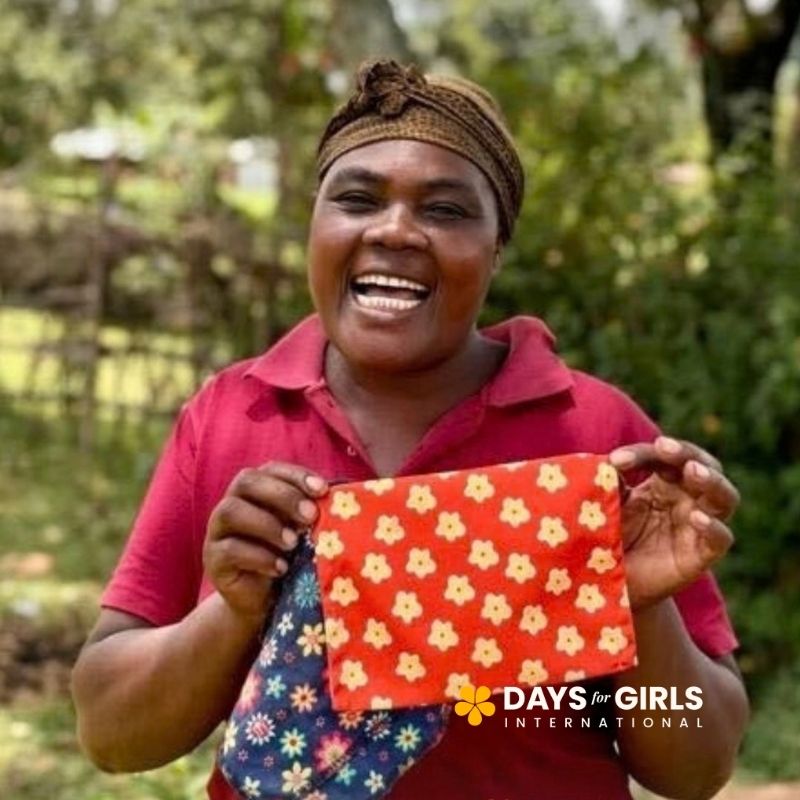
The report also revealed that some PPWs are prioritizing sustainability in their implementations: 18% of PPWs provide reusable menstrual pads, while 11% provide menstrual cups.
Insights from Keynote Speakers
Implementing period-friendly workplace standards leads to improved health and gender equity:
Keynote speaker Dr. Kathleen Riach, a professor at University of Glasgow, presented on the new global standard on menstruation and menopause in the workplace from the International Organization for Standardization (ISO). The standard, ISO 45010, offers practical guidance for workplaces to help menstruating and menopausal employees feel more comfortable, healthy, and productive at work.
Dr. Riach shared two key points for attendees to take away:
- ISO 45010 is one of the few international standards that is free to access. All workplaces are encouraged to use and adapt these guidelines.
- The standard is deliberately categorized under “Occupational health and safety management,” to emphasize how workplace structures shape employees’ experiences and engagement at work.
“This standard is about recognizing that organizations have duties of care to look after all bodies in the workplace. It’s about fixing the workplace, not the worker.” – Dr. Kathleen Riach
The PPW is a simple solution with large impact:
Penni Smith, MPA, then shared her experience as a Program Coordinator implementing the PPW at the Intermountain Primary Children’s Hospital (PCH) in Utah. Over half of PCH’s employees are female and a quarter of patients experience a monthly menstrual cycle – so to Penni, providing period products seemed like a natural step to support her colleagues and patients.
Penni and her team started by piloting the PPW at the busiest restrooms in the PCH. The pilot revealed that the PPW was an affordable change that made staff and patients feel cared for. With Penni’s leadership, the PCH went on to become the first PPW-certified hospital, impacting 4500 employees. The PPW initiative was recognized at Intermountain’s Quality Health and Safety Day as one of the most impactful changes the hospital had made for the quality of health and safety of employees and patients.
“Becoming a PPW did not require a complex clinical intervention – it required us to notice the gap, test the solution, and then work with leadership to make access routine. Hospitals are places where people should feel cared for. Providing products is one tangible way to show that care to your employees, your patients, and your families.” – Penni Smith
Insights from Panelists
Remote workplaces can successfully implement the PPW through creative and inclusive solutions:
Webinar attendees next heard from Sophie Zivku, impact manager at DIVA International. As a fully remote organization, DIVA developed creative solutions to reach PPW certification, including:
- Providing a yearly shipment of reusable period products to employees.
- Developing a stipend and expense tracking policy to help employees access period products.
- Offering period product subscription services to employees.
- Offering a menstrual and menopausal leave policy.
- Using stigma-shattering Slack status emojis (like a battery icon or a blood emoji), when managing cramps, fatigue, or menopause symptoms.
Period-friendly workplaces are made possible through inclusive employee education:
One of the three requirements for PPW certification is educating employees about the period products available. Camille Escudero, founder of FemTech brand Lily of the Valley, shared three strategies for period-friendly workplace education and training:
- Shift leadership mindsets by discussing biological diversity openly and dispelling myths or taboos about menstruation.
- Frame menstrual cycle literacy as a performance tool, teaching employees how to advocate for and understand their shifting needs throughout the hormonal cycle.
- Build continuous safe spaces through education, operational toolkits like policy, and open communication channels.
The PPW has a high return on investment:
Penelope Finnie, founder of Egal, Pads on a Roll, concluded the webinar by presenting her company’s study on the hidden cost of period access at one National Health Service unit in the United Kingdom. The data revealed that 74% of employees had left work at some point to obtain a period product. This repeated work interruption, presenteeism, and absenteeism could result in thousands of dollars in annual staff-time costs.
When workplaces provided period products directly in bathroom cubicles, Egal’s research suggests that there is a 10x illustrative return on investment, even before patient experience, clinical risk, retention, morale, dignity or informal labour are valued.
Call to Action
If your workplace is not yet PPW-certified, fill out the request form on the PPW website.
If you are already a PPW, use the insights from this webinar to go a step further in supporting your menstruating and menopausal employees. For example:
- Explore the guidelines in ISO 45010 to ensure your workplace meets international standards on menstrual and menopausal health.
- Consider adopting menstrual and menopausal leave policies.
- Update employee education resources to include information about biological diversity and cycle literacy.
- Explore different product types and locations for providing period products in your workplace based on employee feedback.
For more, view the webinar recording and slide deck.