
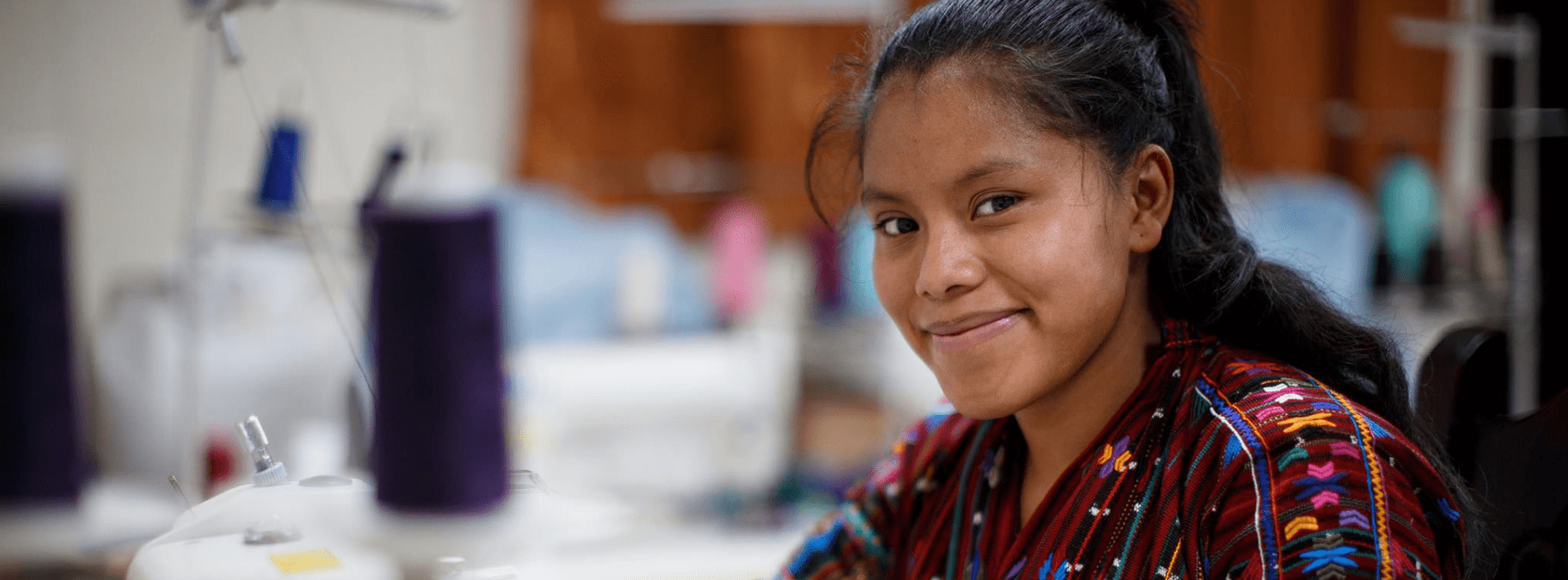
Join or Support a Chapter, Team or Club Near You!
Connect with like-minded volunteers and contribute to menstrual health efforts locally and internationally.
Chapters, Teams and Clubs can advocate, fundraise, host events, support local leaders and Enterprises, and sew DfG Kits using Days for Girls’ patented patterns and quality standards.
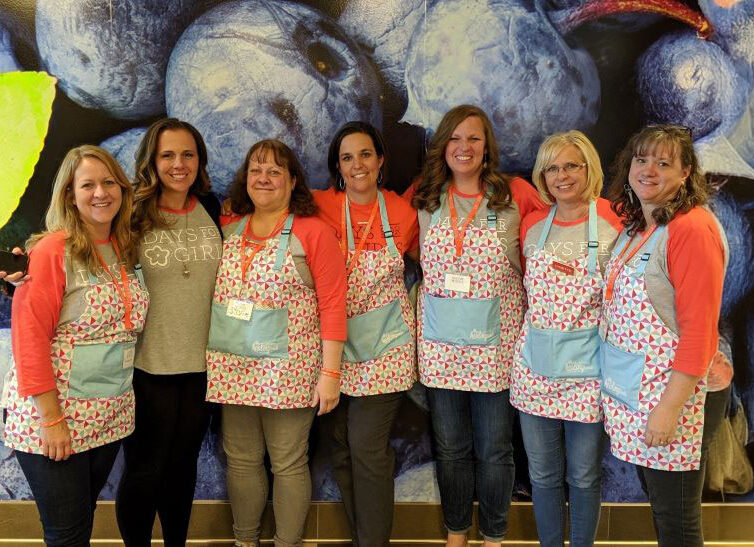
What Chapters & Teams do
- Advocate for menstrual health as a pathway to improved health, education, and livelihood
- Sew DfG Kits using DfG’s patented trademarked patterns and have support from our international sewing specialist team
- Increase access to menstrual health products for those hardest to reach by sewing and donating high quality DfG Kits to women and girls in specific countries (see the DfG Impact Zones below).
- Support local leaders and Enterprises in their own communities
- Host events, fundraise, and rally to support awareness of Days for Girls
- Have the opportunity to contribute to our international network of champions and advocates committed to positively influencing menstrual health internationally
- Can purchase wholesale resources through an exclusive area of our resource shop
Start a Team
Don’t see a Chapter or Team in your town? Start one of your own and join our global community of volunteers.
Chapters and Teams are groups within the local community. Each group starts as a Team, and can grow in to a Chapter after meeting certain benchmarks, if they wish to.
Team Leaders must be over 18 and commit to the registration, training, reporting, and quality standards required by Days for Girls.
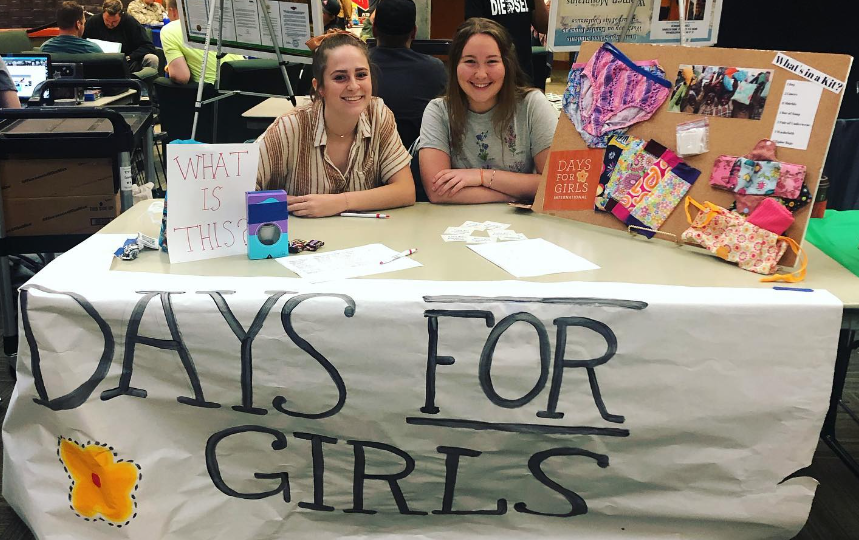
What Do Student Clubs Do?
While DfG provides resources and suggested projects to help guide you, no two Clubs’ activities look the same. Club activities often include:
- Fundraisers
- Underwear, washcloth, and period product drives
- Advocacy & awareness campaigns
- Local distributions of DfG Kits
- Sponsoring DfG Kit distributions abroad
- Educational programs
DfG Clubs also have access to our exclusive Club Curriculum, which provides students with a facilitated program to expand their knowledge around menstrual equity and engage their community in menstrual health topics.
Start a Student Club
Start a DfG Club at your school today and join us in turning periods into pathways!
DfG Clubs must be affiliated with a school, university, or Girl Scout Troop/Girl Guides Unit. Each Club must have at least two student leaders and an adult faculty advisor. There is no minimum or maximum number of Club members, but all members should be a part of the affiliated institution.
Club registration is available in select countries. Club materials are currently only available in English.
What else do I need to know?
Team registration is open in Australia, Canada,
New Zealand, the Oceania region, and the UK.
USA Team registration will open in 2026.
In addition to activities like advocacy and fundraising, many DfG Chapters and Teams choose to lead sewing DfG Kit activities.
Team Leaders must be over 18 years old and generally remain from year to year. DfG Team members can be any age, everyone has important skills to contribute!
Teams have the opportunity to progress to being a Chapter if that is their goal, after meeting certain benchmarks.
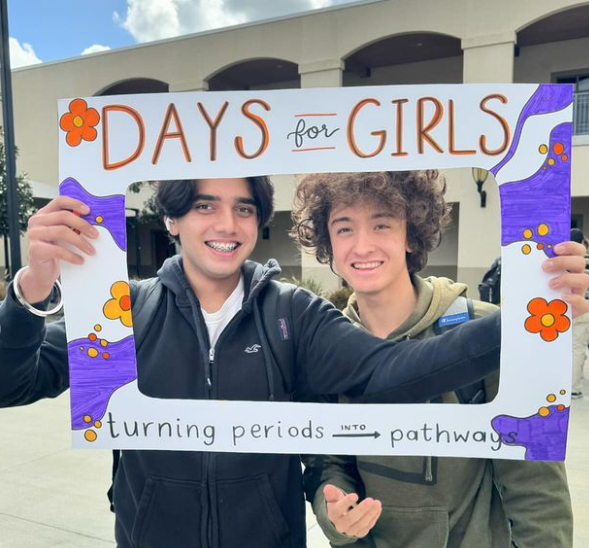
Chapters and Teams:
- Advocate for menstrual health as a pathway to improved health, education, and livelihood
- Sew DfG Kits using DfG’s patented trademarked patterns and have support from our international sewing specialist team
- Increase access to menstrual health products for those hardest to reach by sewing and donating high quality DfG Kits to women and girls in specific countries (see the DfG Impact Zones below).
- Support local leaders and Enterprises in their own communities
- Host events, fundraise, and rally to support awareness of Days for Girls
- Have the opportunity to contribute to our international network of champions and advocates committed to positively influencing menstrual health internationally
- Can purchase wholesale resources through an exclusive area of our resource shop
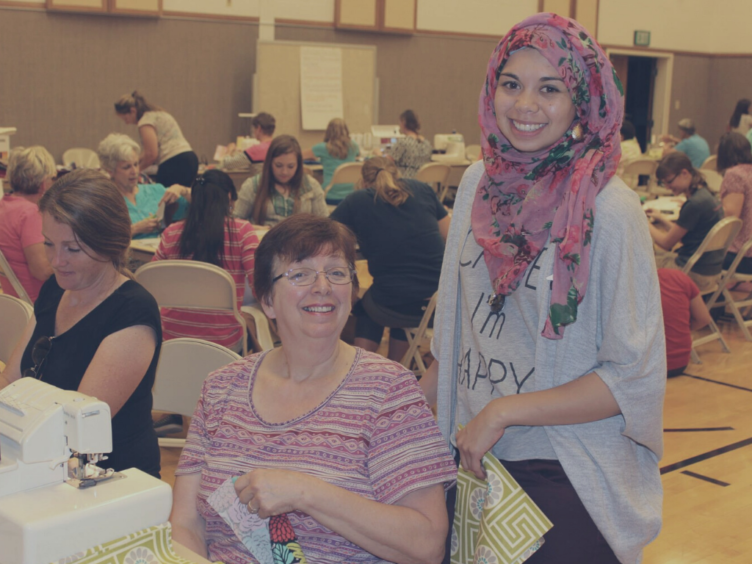
Chapter and Team Leader Commitments
- Financial accountability
- Reporting Team production and activities to Days for Girls International regularly
- Management and timely responses using a DfG Team email account
- Ensure their Team follows Days for Girls quality guidelines and adheres to the latest patterns
- Stay up to date on all DfG policies and processes and ensure your Team is in compliance
- Complete our registration process, including a DfG Kit sewing certification and annual renewal
What Do DfG Clubs Do?
While DfG provides resources and suggested projects to help guide you, no two Clubs’ activities look the same. Club activities often include:
In addition to activities like advocacy and fundraising, many DfG Chapters and Teams choose to lead sewing DfG Kit activities.
Team Leaders must be over 18 years old and generally remain from year to year. DfG Team members can be any age, everyone has important skills to contribute!
What Do DfG Clubs Do?
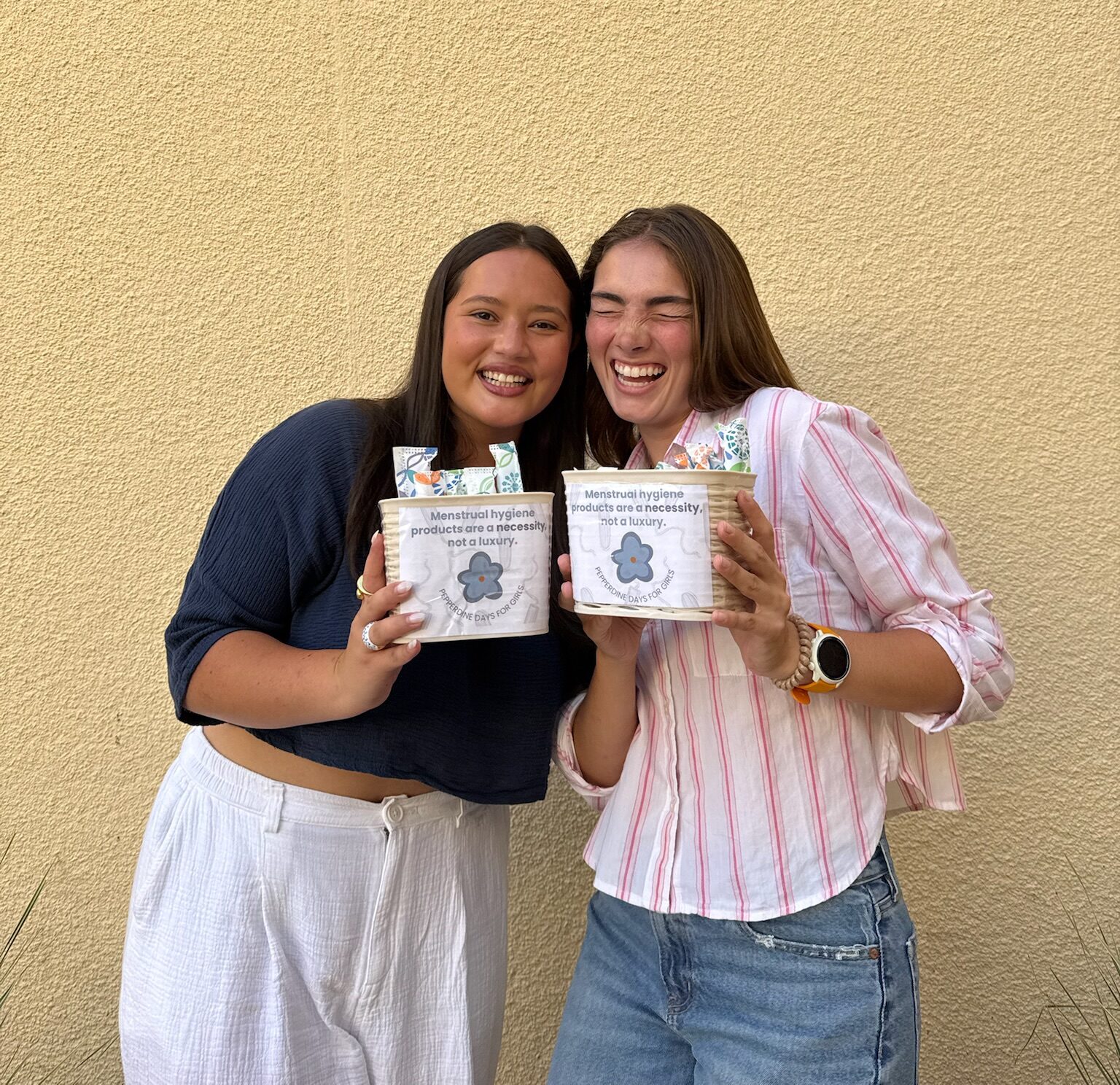
While DfG provides resources and suggested projects to help guide you, no two Clubs’ activities look the same. Club activities often include:
- Fundraisers
- Underwear, washcloth, and period product drives
- Advocacy & awareness campaigns
- Local distributions of DfG Kits
- Sponsoring DfG Kit distributions abroad
- Educational programs
DfG Clubs also have access to our exclusive Club Curriculum, which provides students with a facilitated program to expand their knowledge around menstrual equity and engage their community in menstrual health topics.

What’s the Difference Between a DfG Club and a Team?
Like DfG Clubs, DfG Teams engage in service, advocacy, and fundraising to advance menstrual equity. However, while Teams obtain Gold Standard Certification to create DfG Kits, Clubs do not sew DfG Kits independently. Clubs that wish to be involved in DfG Kit productions (be it sewing or packing) can get connected with an existing DfG Team and participate in their Kit production and packing efforts.
DfG Clubs are required to be affiliated with a school, university, or Girl Scout Troop. DfG Teams are grown within the local community and are not required to have any institutional affiliation.
why period poverty Matters
More than 500 million people worldwide do not have what it takes to manage their periods
What if you had to miss school or work because you did not have proper menstrual supplies? How many days per year would you lose in education and wages simply because you got your period? What if no one ever taught you about menstruation, or worse: if menstrual taboos and myths made you feel ashamed of your body? It’s called Period Poverty.
Join Our Advocacy Efforts
To create meaningful impact that lasts, Days for Girls pursues advocacy work that shifts social norms and creates more supportive menstrual health policy environments worldwide. From campaigning and capacity-building to cultivating strategic partnerships, our advocacy efforts are critical to shifting the menstrual health space in a way that stands the test of time.