This post is the fourth part in a series of five articles on how women are responding to the pandemic around the world. Read “Part 1: Going House-to-House in Kenya,” “Part 2: Seeing the Downside of Depending on Imports in Zimbabwe,” “Part 3: Turning a Difficult Situation Into an Opportunity in Guatemala,” and “Part 4: Helping Syrian Refugees in Lebanon in the Midst of COVID-19 and Economic Devastation.”
Using Social Media to Continue Vital Work in Nepal
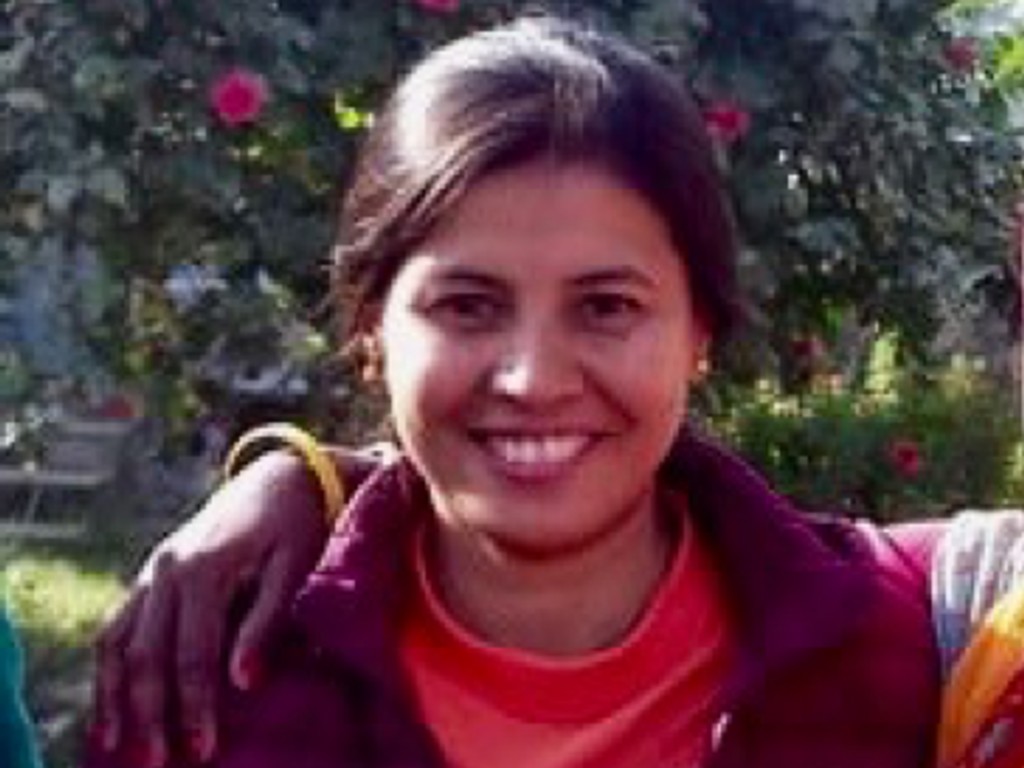
Maya Khaitu, Days for Girls Country Director in Nepal, works in a diverse, challenging environment, where she sometimes enlists the support of the famed Sherpas to help her reach mountainous areas. She has traveled to places where buses and even jeeps cannot go, walking two days straight to get Days for Girls menstrual kits to girls.
But the payoff made the strenuous journeys worthwhile. She recounts how a grandmother shared stories of her youth, where girls with periods were not allowed to stay in their homes, forcing them to stay in open fields or caves during bad weather, at risk of attacks by wild animals, and worse, rape. While the situation today is better, more education is crucial, and this is Maya’s mission in life; she is clearly proud of her success.
She partners with municipalities in tapping into government funds, and so far, they have given out 80,000 Days for Girls kits.
When the government mandated a lockdown on March 21, 2020 due to COVID-19, no one thought it would last for long. No one was prepared.
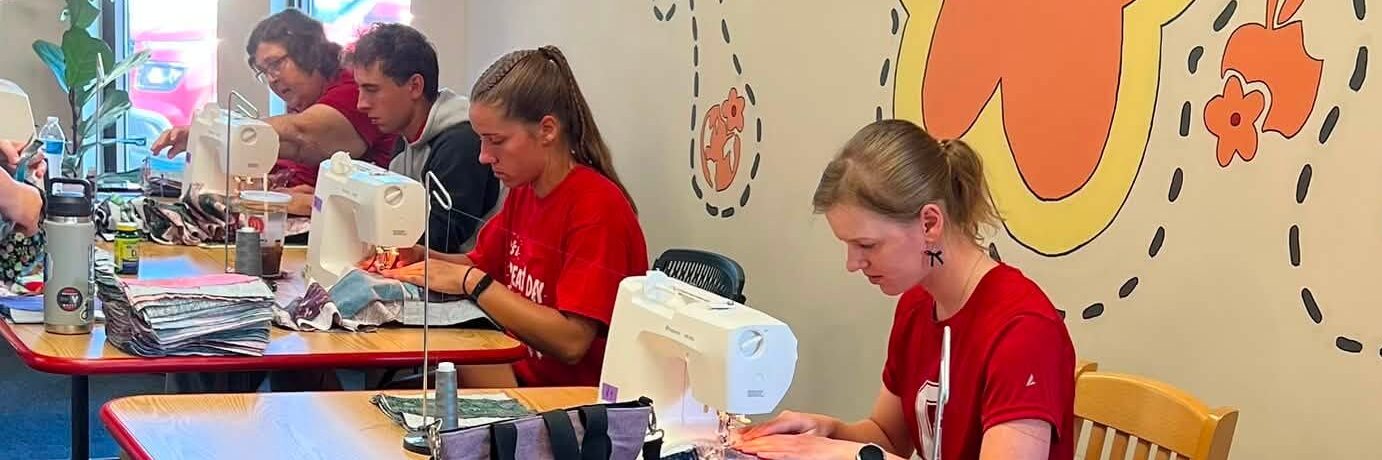
“We have been allowed by the government to go out a few times, to distribute menstrual kits to disabled girls and women,” Maya explains. “But other than that, we have had to look for other ways to continue our work. We began making masks and distributed 250 to hospitals.”
But with stores closed, it has been hard to get materials. Police beat those on the streets, forcing Maya to take her work online, using Facebook and other social media to do training sessions on menstrual health and the pandemic. “We announce a date, and whoever wants to join can do so. Many organizations are doing this, and we are learning from each other as we go.”
Special thanks to Days for Girls volunteer, Elizabeth Titus for contributing this article.
Elizabeth Titus has been an English teacher, a journalist, an advertising executive, and a communications director (15 years at American Express). For the past decade, she has focused on pro bono consulting to nonprofits, via PennPAC, for graduates of the University of Pennsylvania; Taproot; and Catchafire. She is especially interested in gender equality and the education of girls and women. A freelance writer, her articles have appeared in Ms., Narrative, and The Humanist, among others. She lives on the Upper West Side of Manhattan.