Navigating life as a refugee is uncertain at best, and there is not always an easy answer to the big questions.
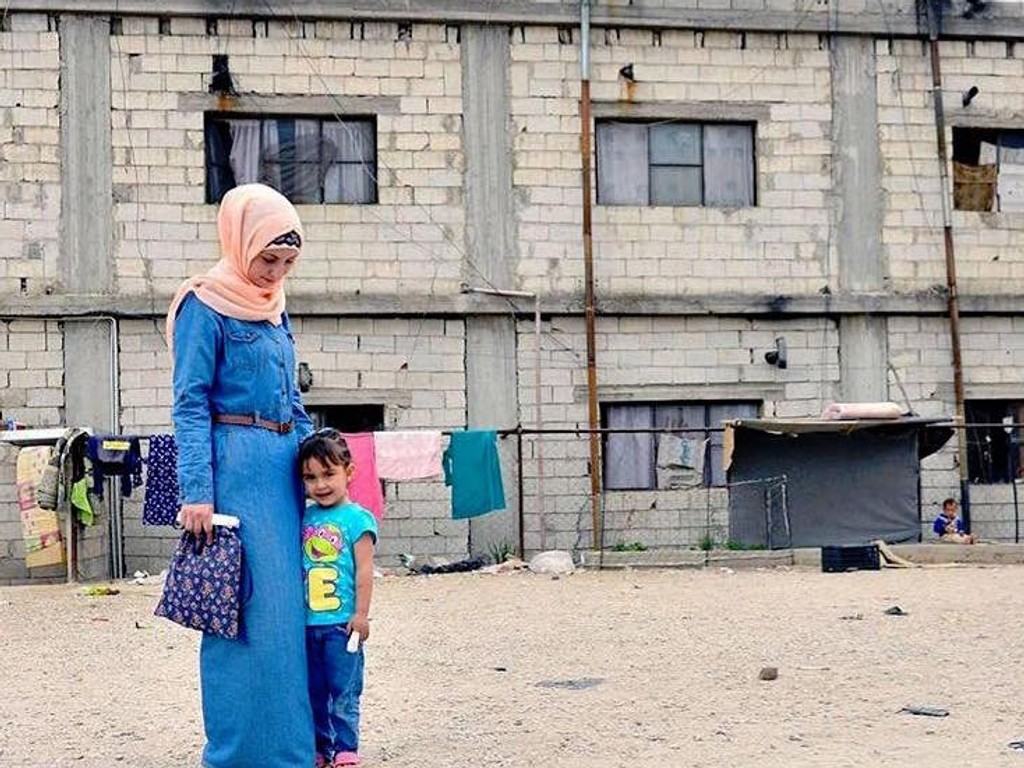
But when it comes to hygiene, and ensuring dignity for women – there is a simple solution. The Days for Girls Kit allows girls and women to manage their menstruation easily, month after month, providing a basic level of certainty and dignity. This past month, The Muscat, Oman Chapter of Days for Girls partnered with ANERA to distribute 200 DfG Kits in an informal refugee settlement in Akkar, Lebanon, with an additional 200 DfG Kits distributed at a women’s prison and another settlement.
“These awareness activities are much needed here, given the circumstances in which we live within the gathering,” said Doaa, one of the recipients of the DfG Kits. Partnerships such as this one between Days for Girls, ANERA, and the Global Giving community mean that it is possible to match needs with solutions, even in hard to reach areas.
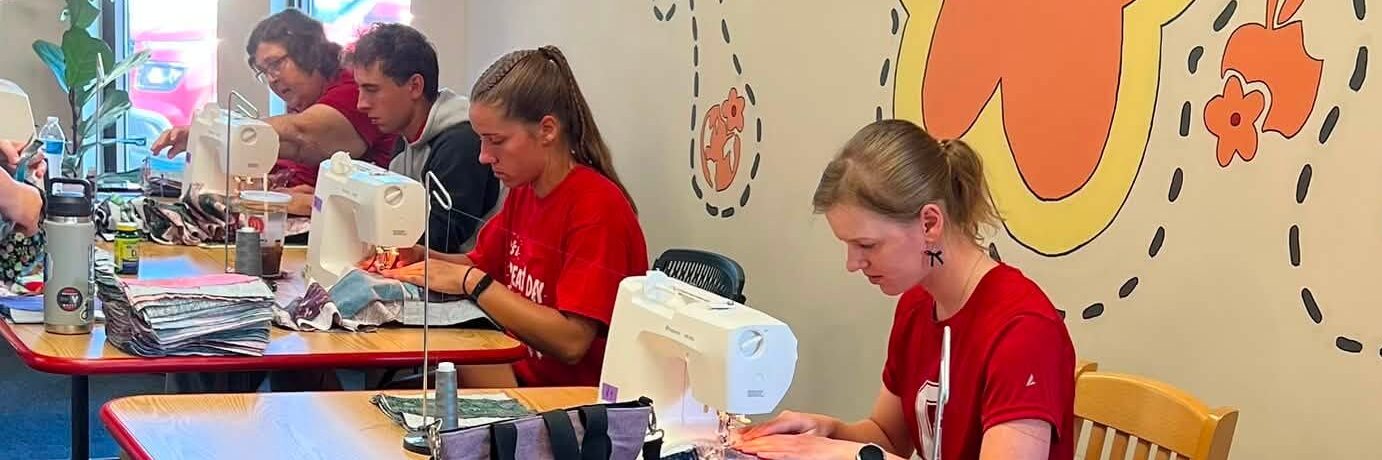
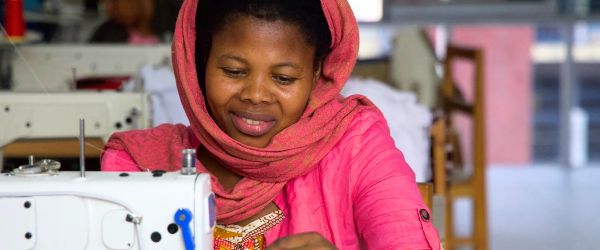
This year, Days for Girls is aiming for even bigger impact by investing more in our partnerships and sustainable solutions for in-country DfG Kit production & education. Building on the growing evidence of need and demand for the DfG Kits, and working with the groups that have been trained in basic DfG Kit production, we will be investing more in our DfG Micro-Enterprises in Lebanon. Because when it comes to menstrual hygiene and women’s health education, there is an easy and certain answer!