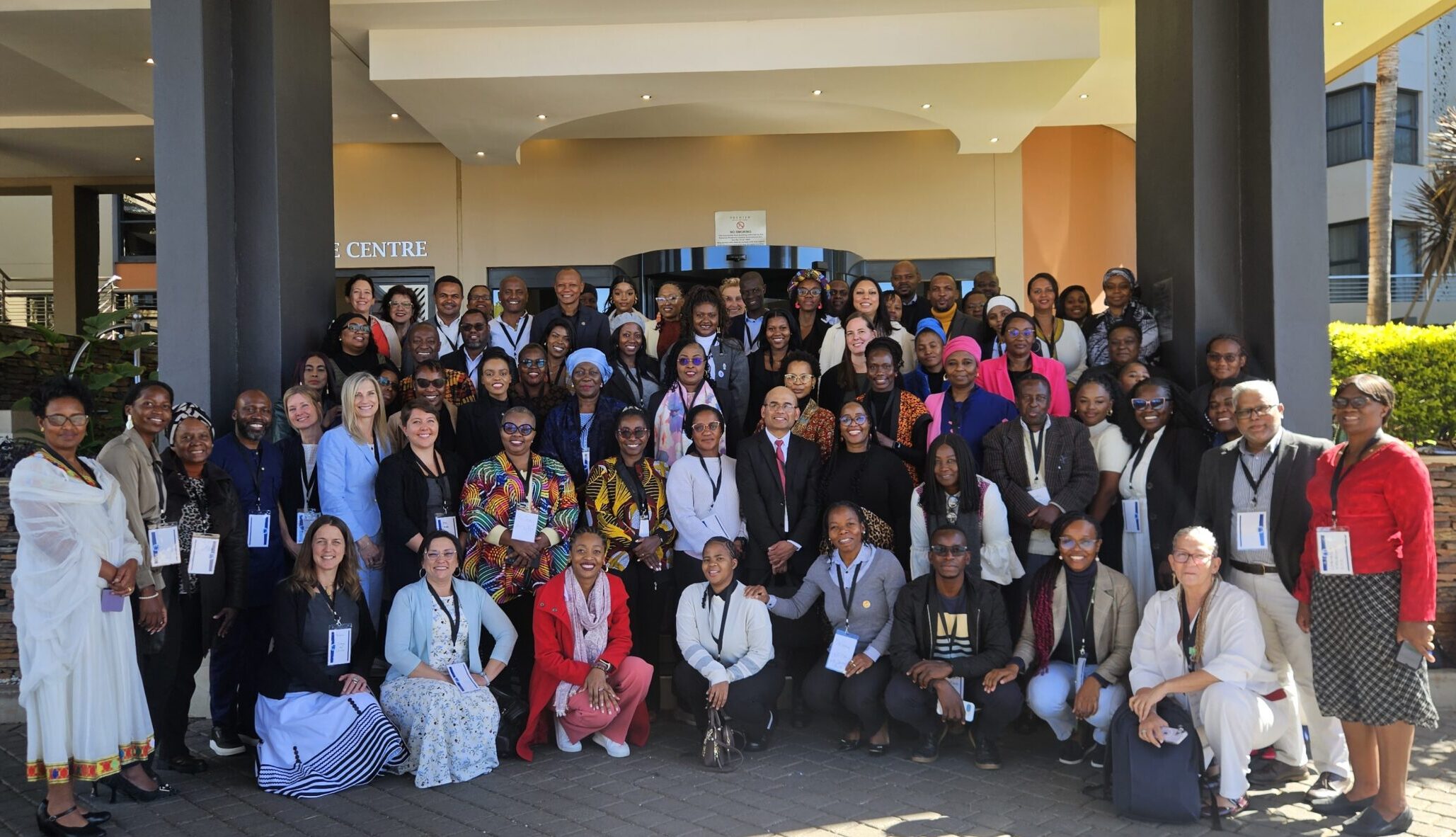
In the lead-up to Menstrual Hygiene Day 2026, more than 400 participants from over 40 countries came together in Johannesburg, South Africa and online for the African Menstrual Product Standards & Market Development Forum. The Forum brought together stakeholders across government, civil society, manufacturing, academia, and advocacy to discuss how menstrual product standards and stronger markets can increase access to safe, reliable, and affordable menstrual products.
Days for Girls International, in partnership with UNFPA Eastern and Southern Regional Office, the Swedish Institute for Standards, and the African Coalition for Menstrual Health, with support from the Sanitation Hygiene Fund and Capital M, hosted this event on May 13th and 14th.
Why Standards Matter
The first day of the Forum focused on menstrual product standards, including national and regional standards and the continuing development of the International Organization for Standardization (ISO) Technical Committee 338 (TC 338) – Menstrual Products Standard.
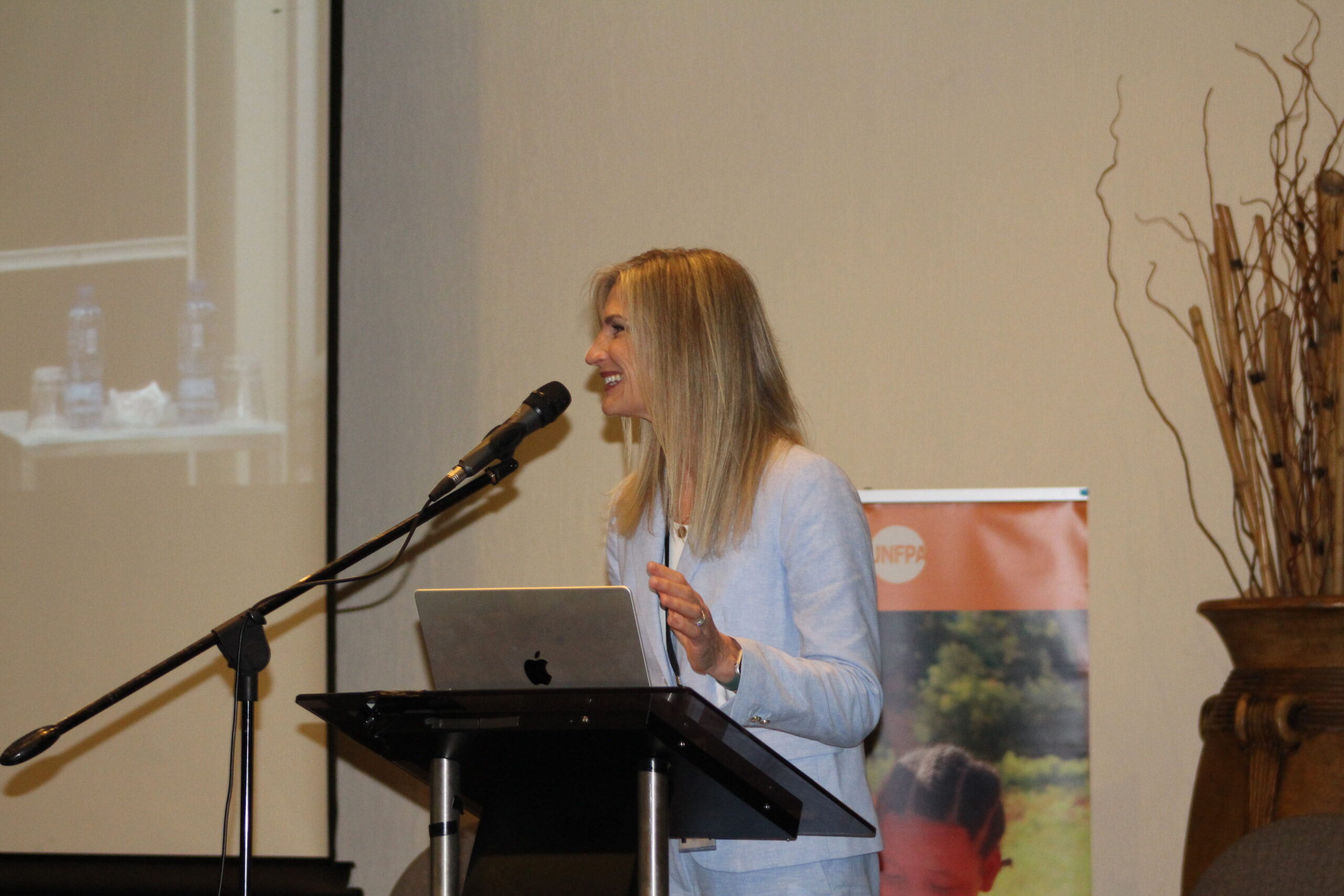
Diana Nelson, Days for Girls Senior Global Advocacy Director, discussed how standards help ensure product safety and quality while providing manufacturers with clear guidance on testing requirements and performance expectations. Standards can also support governments in making informed procurement decisions and help create greater consistency across markets.
Petra Fogelberg from the Swedish Institute for Standards discussed the importance of ensuring that low- and middle-income countries are actively involved in the development of international standards. Their participation ensures that diverse cultural contexts and consumer needs are reflected in the final standards. A panel of South African menstrual health experts representing manufacturing, government, and the national standards bureau spoke to how the adoption of standards has supported the menstrual market in South Africa.
Tanya Mahajan from Menstrual Health Action for Impact introduced a new toolkit designed to support advocacy efforts for menstrual product standards. The resource helps advocates engage policymakers, standards bodies, and other key decision-makers at the national, regional, and international levels.
Strengthening Menstrual Product Markets
The second day of the Forum focused on market development and the role strong markets play in increasing access to menstrual products. Presenters explored common barriers to equitable access, including affordability challenges, regulatory constraints, high production costs, and supply chain barriers.
Sophia Grinvalds from The Sanitation and Hygiene Fund emphasized that sustainable access requires more than product donation models. Strong markets help ensure that a variety of certified products are available, affordable, and accessible to consumers. Competitive markets also drive innovation, increase product choice, and lower costs over time.
Representatives from Mann Global Health shared how tax reform affects menstrual product retail sales, focusing on the case study of the Kenyan market. The discussion highlighted that when advocating for tax reform, implementation strategies must ensure that tax policy design is passing cost savings on to consumers.
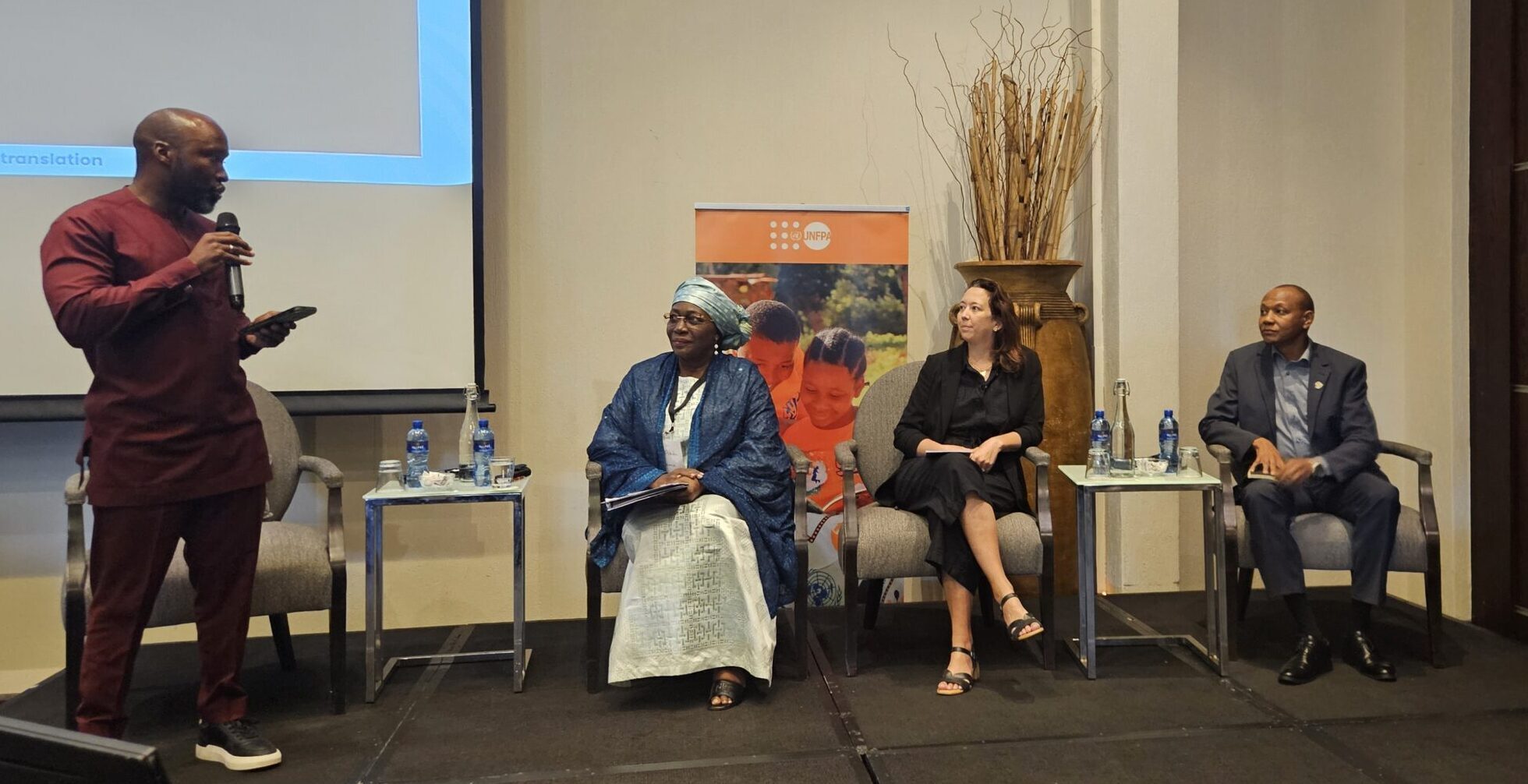
Finally, a panel of organizations that have invested in African menstrual market development highlighted that building strong markets for safe menstrual products requires enabling policies, effective regulation, and systems that ensure access is both sustainable and equitable.
Shared Learnings
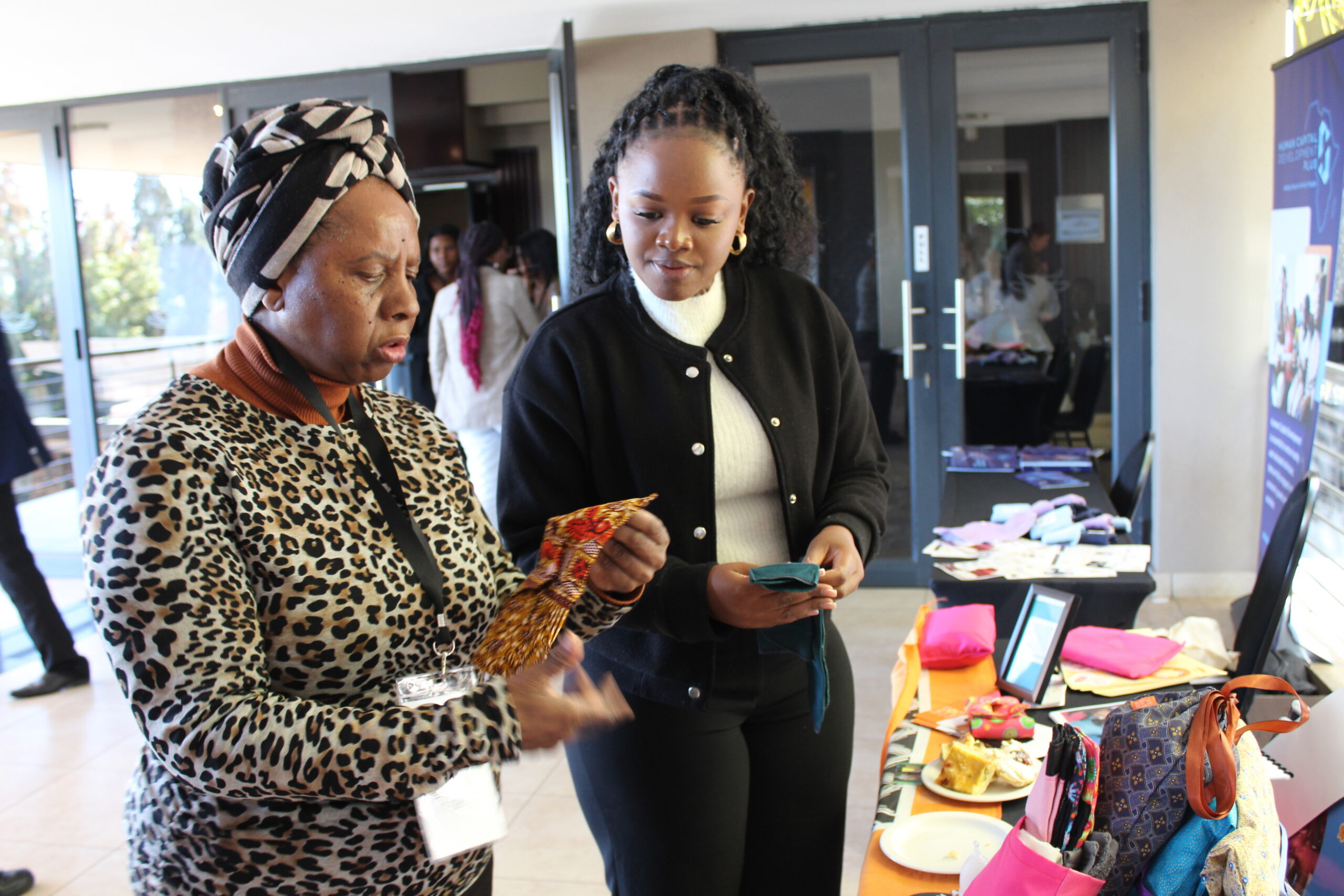
Beyond the plenary sessions, attending organizations and academics led breakout sessions and poster presentations that explored case studies in menstrual product manufacturing, innovation, and demand creation strategies. Representatives from the African Coalition for Menstrual Health and UNICEF additionally presented special afternoon discussion sessions that dove into ISO-aligned markets and the creation of a cross-sectoral shared agenda for menstrual health.
The Forum also featured a screening of IMPURE, a powerful film that explores the stigma and barriers many people face when supportive menstrual environments are absent. The screening served as a reminder that behind every discussion about standards and markets are real people whose lives are impacted when menstrual health goes unaddressed.
The Forum concluded with a call to action, encouraging national standards bureaus not yet engaged in ISO TC 338 to participate, and urging stakeholders to advocate for menstrual product standards in their countries and globally. Participants also emphasized the importance of continued efforts to strengthen market development as a pathway to increase access to safe, affordable, and innovative menstrual products across Africa.
As we continue working toward a #PeriodFriendlyWorld, conversations about product quality, affordability, and access remain critical. Strong standards and thriving markets are not separate from menstrual health: they are essential to ensuring that everyone who menstruates has the products and support they need to thrive.
Watch the recordings and explore resources from the Forum at the links below.