


Twelve Educators, One Shared Mission: Advancing Menstrual Health in Kenya
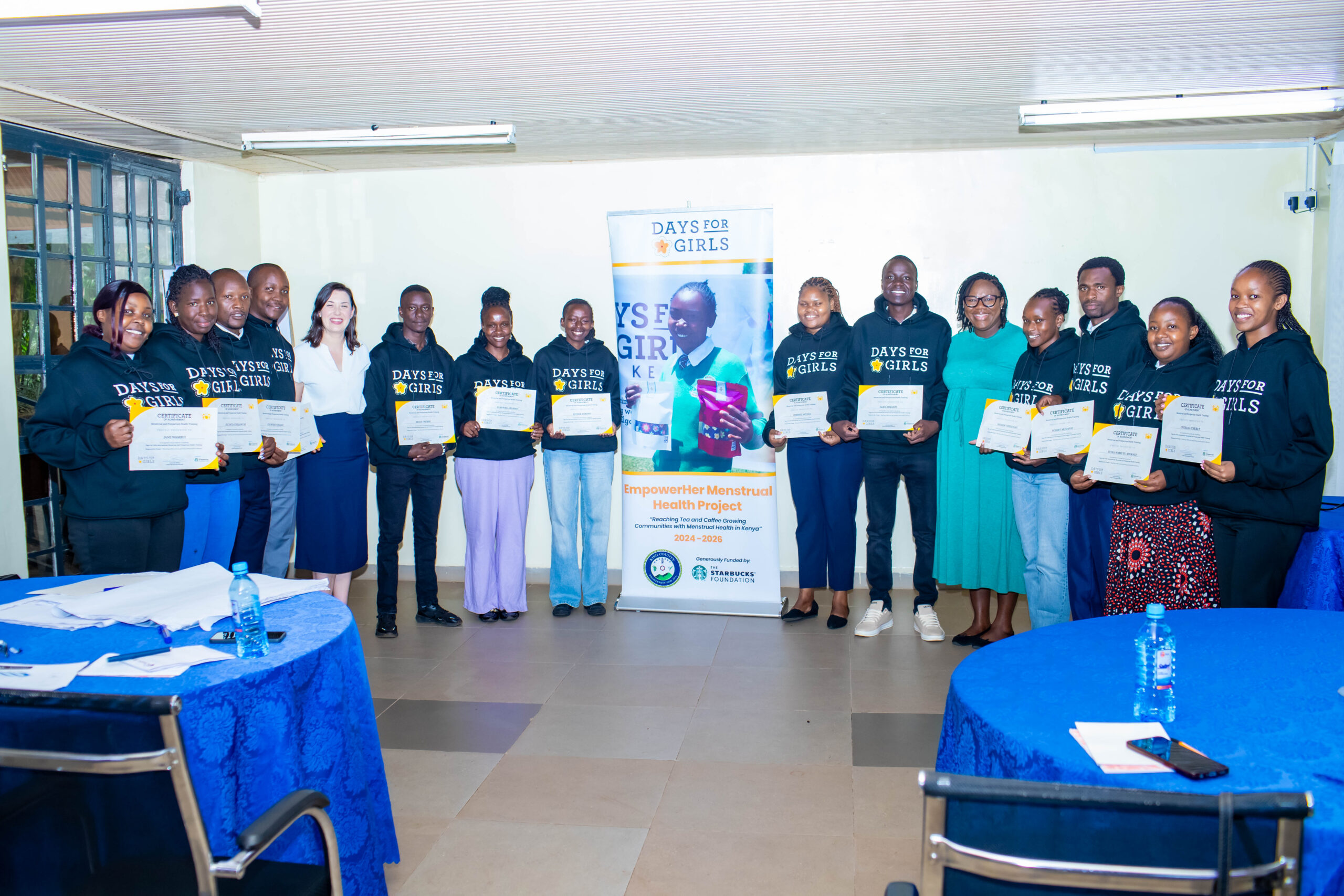
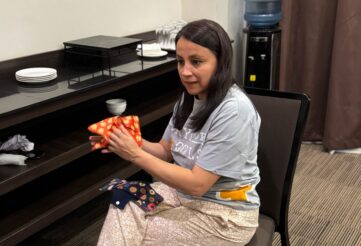
Across Kisii, Nyamira, and Bomet counties in Kenya, twelve educators are helping shift how schools and communities talk about menstrual health. Through the Days for Girls EmpowerHer Project, funded by The Starbucks Foundation, they participated in DfG’s Training of Educator program in order to effectively lead menstrual health education sessions in schools and communities while helping ensure girls and women have access to locally made DfG washable pad kits. Although they come from different professional backgrounds,  they share a common goal: helping girls and women understand their bodies, manage their periods with dignity, and remain confident in school and at work.
The team is intentionally diverse, with six women and six men working together across the three counties. By partnering female and male educators, they model the inclusive conversations they hope to see in their communities and demonstrate that menstrual health is not only a women’s issue, but a shared responsibility. Through education, open dialogue, and practical support, they are helping create environments where girls feel informed, supported, and able to thrive while also reaching thousands of boys to be allies and advocates for their friends, family, and community.
Meet the Team:
Simon Mobegi – Raised in Nyamira County, where many girls lacked access to menstrual health information and products. That experience inspired a career in public health and a commitment to helping communities overcome those barriers through education and practical support.
Sharon Chelangat – Growing up in Bomet County, menstruation was often treated as something girls endured in silence. A background in Gender and Development Studies now fuels work focused on challenging stigma and helping communities approach menstrual health with dignity and openness.
Robert Momanyi – Raised in the Kisii highlands where conversations about menstruation were rare, especially for boys. Today, helps lead community education efforts and encourages men and boys to become active allies in supporting menstrual dignity.
Jecinta Chelang’at – A Public Health graduate whose early experiences near Mount Elgon revealed how silence and stigma can disrupt girls’ education. Now works to challenge taboos and equip girls with the knowledge and resources needed to pursue their ambitions.
Indiana Chebet – Growing up in Kericho County sparked an interest in health and education that later led to a career in public health. Now teaches girls, boys, and communities about menstrual health while helping deliver sustainable solutions through washable kits.
Harriet Anyega – Early experiences in Kisii County revealed the quiet challenges many girls faced around menstrual health. That awareness now drives efforts to break stigma and create supportive environments where girls and women can live with dignity and confidence.
Gladwell Jegemei – A background in social work and community engagement led to a focus on addressing the information gaps that affect women and girls. Through menstrual health education, works to reduce stigma and period poverty in schools and communities.
Geoffrey Osano – Raised in a rural farming community where menstrual health education was rarely discussed. Now helps bring conversations, education, and dignity kits to schools and communities that previously had little access to information.
Esther Koroso – Having received early education about menstruation before experiencing her first period, developed a strong belief that every girl deserves that same preparation. Now helps girls gain knowledge, confidence, and understanding through education sessions.
Davis Nyaberi Mogere – Growing up in Kisii County exposed the ways limited reproductive health information could affect girls’ opportunities. With a background in public health, now works to empower young people through education, training, and community outreach.
Brian Mogire Onderi – A passion for education and community development led to joining Days for Girls as a menstrual health educator. Today supports girls with education and washable products that help them stay in school and plan for their futures.
Alex Kimanzi – Raised between Machakos and the coastal region of Malindi, where conversations about menstruation were often discouraged. Now works to break that silence through education and washable menstrual products that restore dignity and confidence for girls and women.
Their work reaches students, teachers, parents, and community leaders across the region, helping shift long held attitudes about menstruation and creating spaces where girls and women feel supported rather than isolated. They see the impact of this work every day as girls ask questions more freely, attend school and work more consistently, and begin to speak about their health with confidence.
International Women’s Day offers a moment to reflect on the power of education and collective action. By breaking the silence around menstruation and promoting period positive schools and communities, these educators are helping ensure girls have the knowledge and resources they need to thrive.
Together, they are doing more than teaching lessons. They are continuously learning and receiving additional health training with Days for Girls (menstrual health, SRHR, post-partum training, etc.) to reshape conversations, strengthen communities, and support the next generation of girls across Kenya.