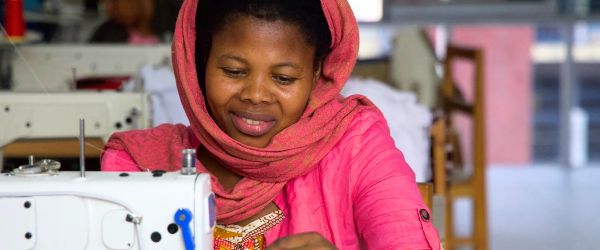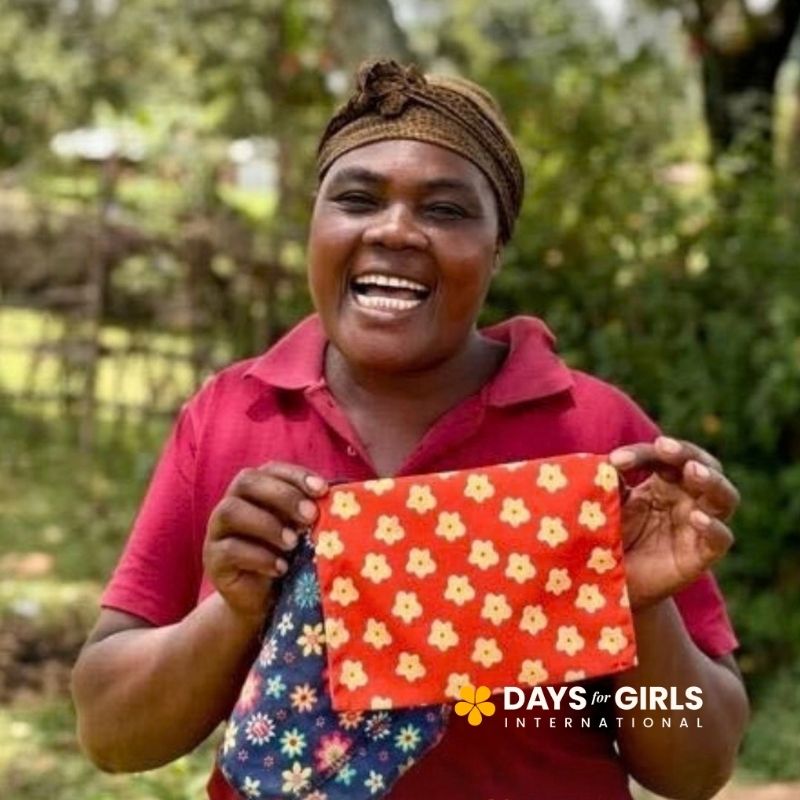
Days for Girls Uganda has successfully trained over 1,500 girls on menstrual hygiene management. There has been training in Nakapiripiriti as well, (twice), and we have trained over 600 girls and women as a result. Lastly, in a refugee camp, we have trained 30 women.
We train them to know about their general hygiene and menstrual hygiene management. Talking about anatomy sounds obscene to some cultures, but it is inevitable for questions to erupt.
Helping women realize and understand their bodies, as well as having the answers to their questions about their bodies is what we do.
In the past, menstruation was a problem for me. Now I have all kinds of alternatives to use, including a menstrual cup, and a Days for Girls Kit. There is also one thing that I would want other women out there to know: Menstruation is something that is the least talked about here in Uganda, and the other few African countries that we have visited. Introducing my course or lesson to the women and girls makes them all go quiet and want to hear more. “I feel it’s an opportunity to reflect on girls and women and the opportunities that they have to control over their own lives.”
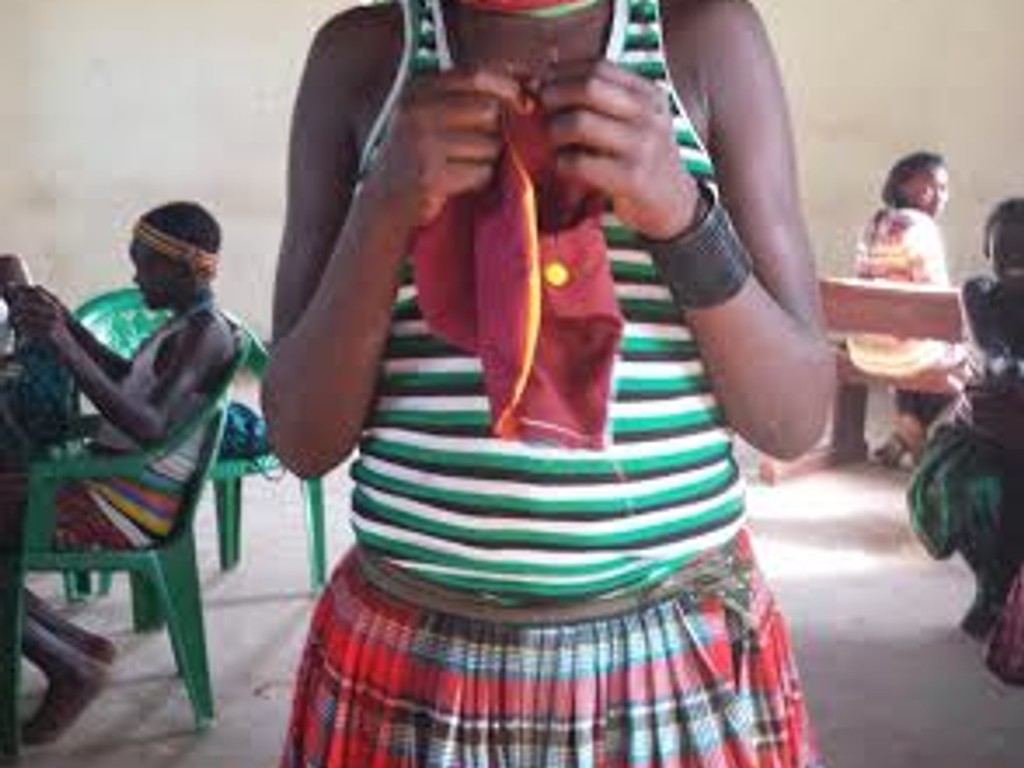
Originally, we have been hearing that people in Karamoja have separate huts for girls to sit and
menstruate on rocks during their cycle days. However, while in one of the classes in Nakapiripiriti in a place called Lolachat, a girl was on her period while attending my class. She kept turning her skirt until the interpreter explained that she was using her printed skirt to help soak her blood. Because of this, I really made sure that the best pad was made for her to use, but unfortunately she also complained of not having a nicker (which was another situation).
I feel proud to be responsible for making a product that supports so many girls and women in so many different places all over the world.