Our Impact
Menstrual Health
Research, partnerships, community stories, and updates from Days for Girls teams around the world.

Research, partnerships, community stories, and updates from Days for Girls teams around the world.
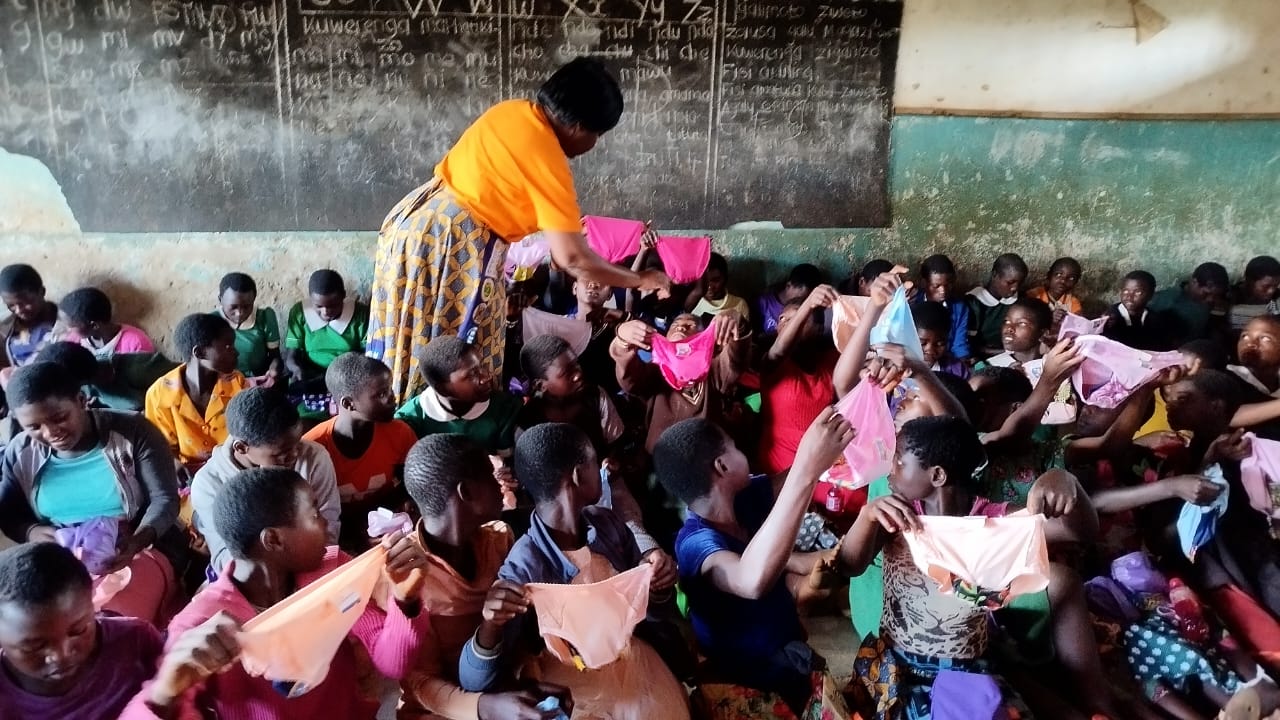
Days for Girls, with the generous support of This is L and partially funded by IREX and USAID, has been implementing a project in Malawi this year. The project spans seven districts including Kasungu, Rumphi and Mangochi. We have reached hundreds of girls and women as well as men and boys with Days for Girls’…

Menstrual leave is a policy that allows a person to take paid or unpaid leave from their employment if they are menstruating and are unable to go to work. Menstrual leave is distinct from “sick leave,” which is often mandated by federal law. In February, Spain passed a bill allowing individuals with painful periods to…
Recently, EUTECH selected Days for Girls as the recipient of the SDG 5, Gender Equality, award! The United Nations’ 17 Sustainable Development Goals (SDGs) outline key areas for global growth, and SDG 5, advancing gender equality, is central to Days for Girls’ mission. After all, to advance menstrual equality is to advance gender equality, and…
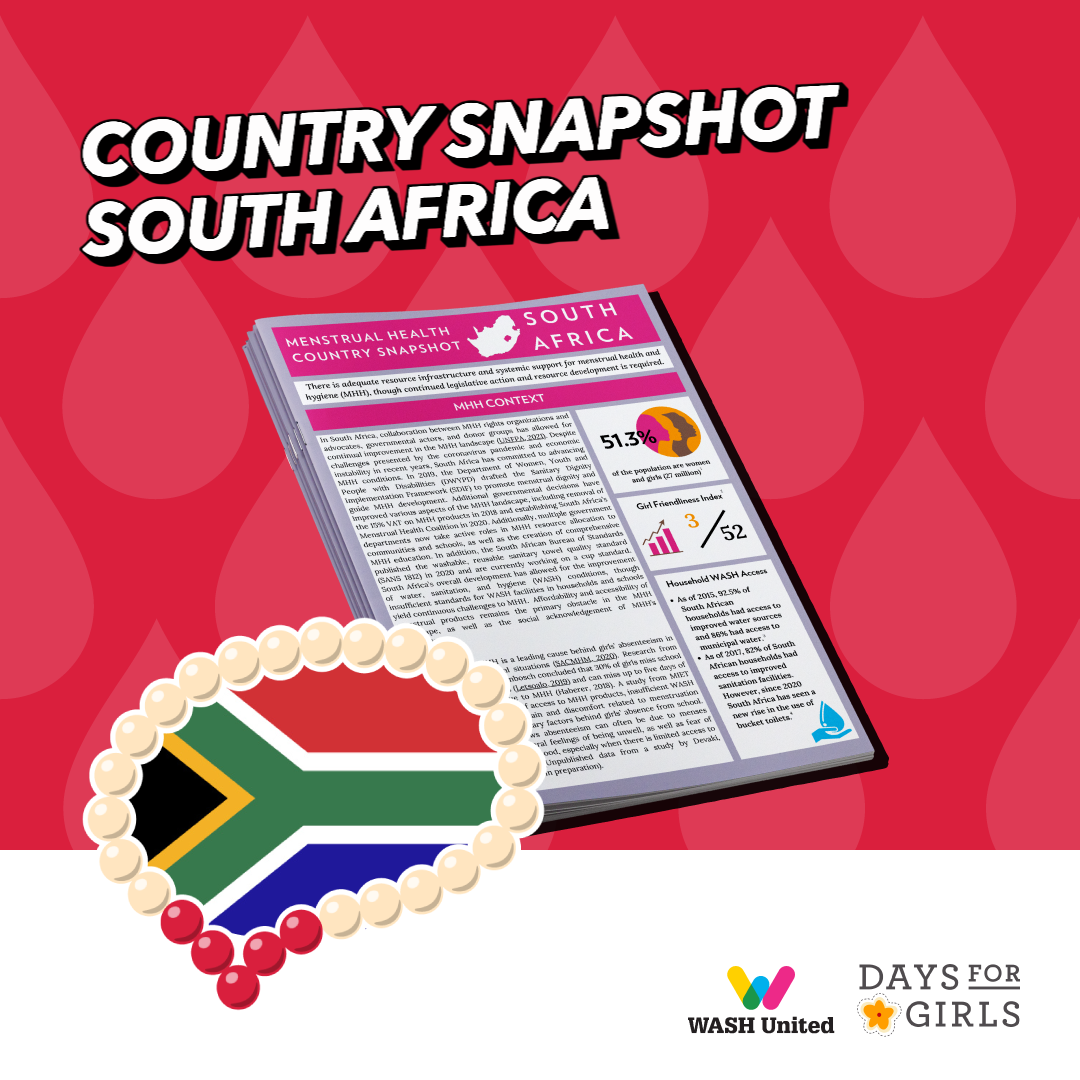
In June 2022, Days for Girls International (DfG) announced the first installment of a brand new project, the Menstrual Health (MH) Country Snapshot report. The intention behind the creation of this new project was to provide MH advocates and organizations with high-level research on the MH conditions in individual countries in a digestible format. The…
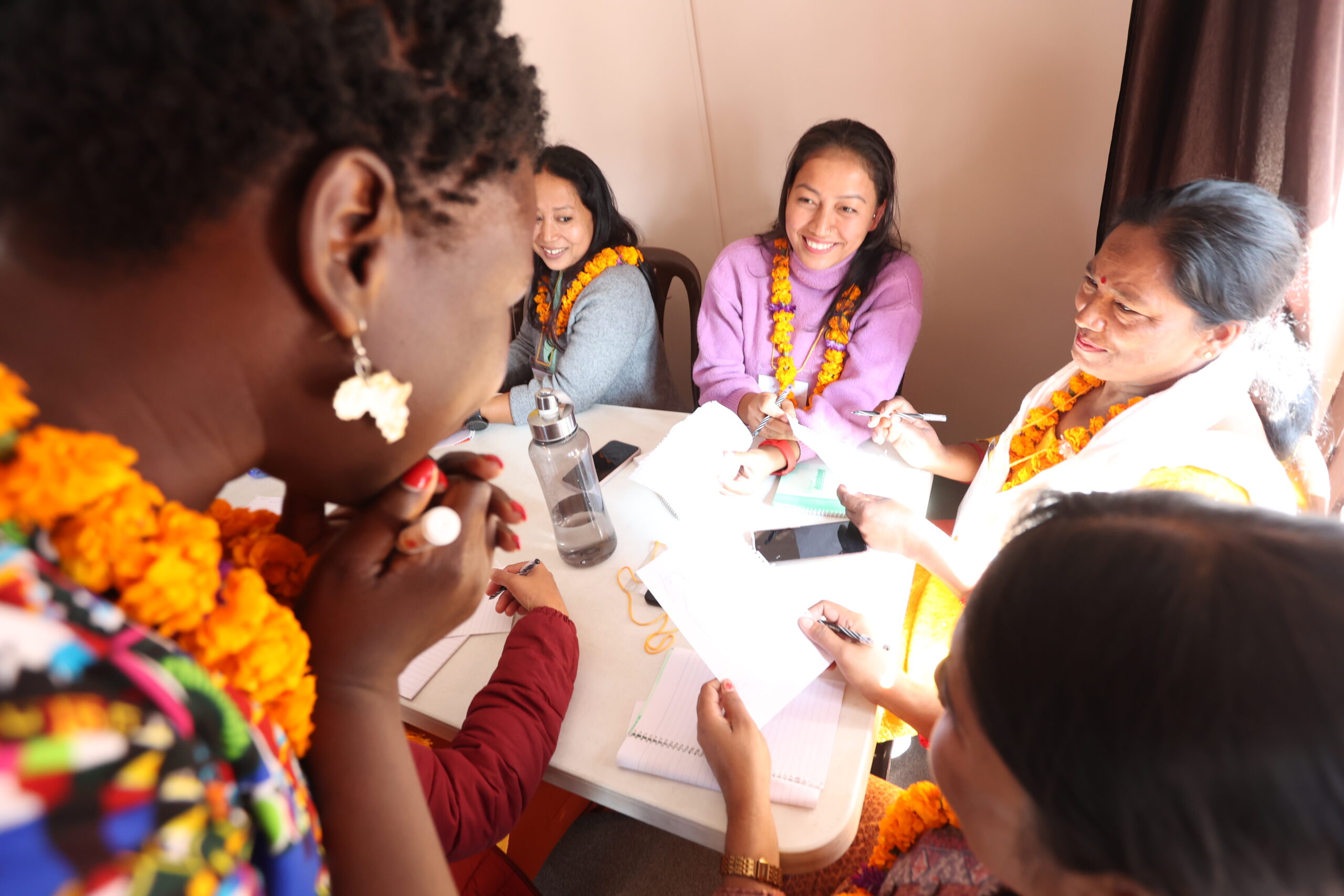
Amplifying menstrual health (MH) in the private sector and involving companies in the fight for menstrual equity in the workplace has long been a goal of Days for Girls International and our partner organizations. On Wednesday, May 3, Days for Girls International, PSI-Europe, and Period Positive Workplace partners gathered for a special webinar event –…
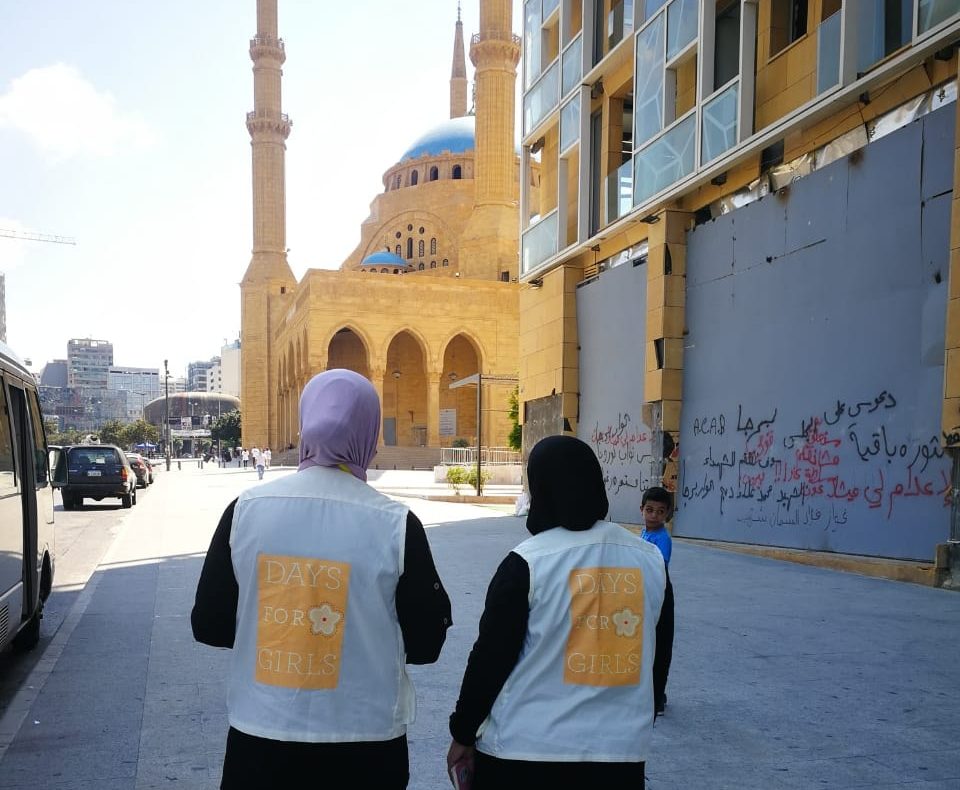
THE PROBLEM Over the past several years, Lebanon has been hit by several significant disasters: the Covid pandemic, the Beirut explosion in August 2020 and the near-collapse of its currency. These disasters struck a country already dealing with one of the world’s largest percentages of refugees – including those from Palestine and Syria. In this…
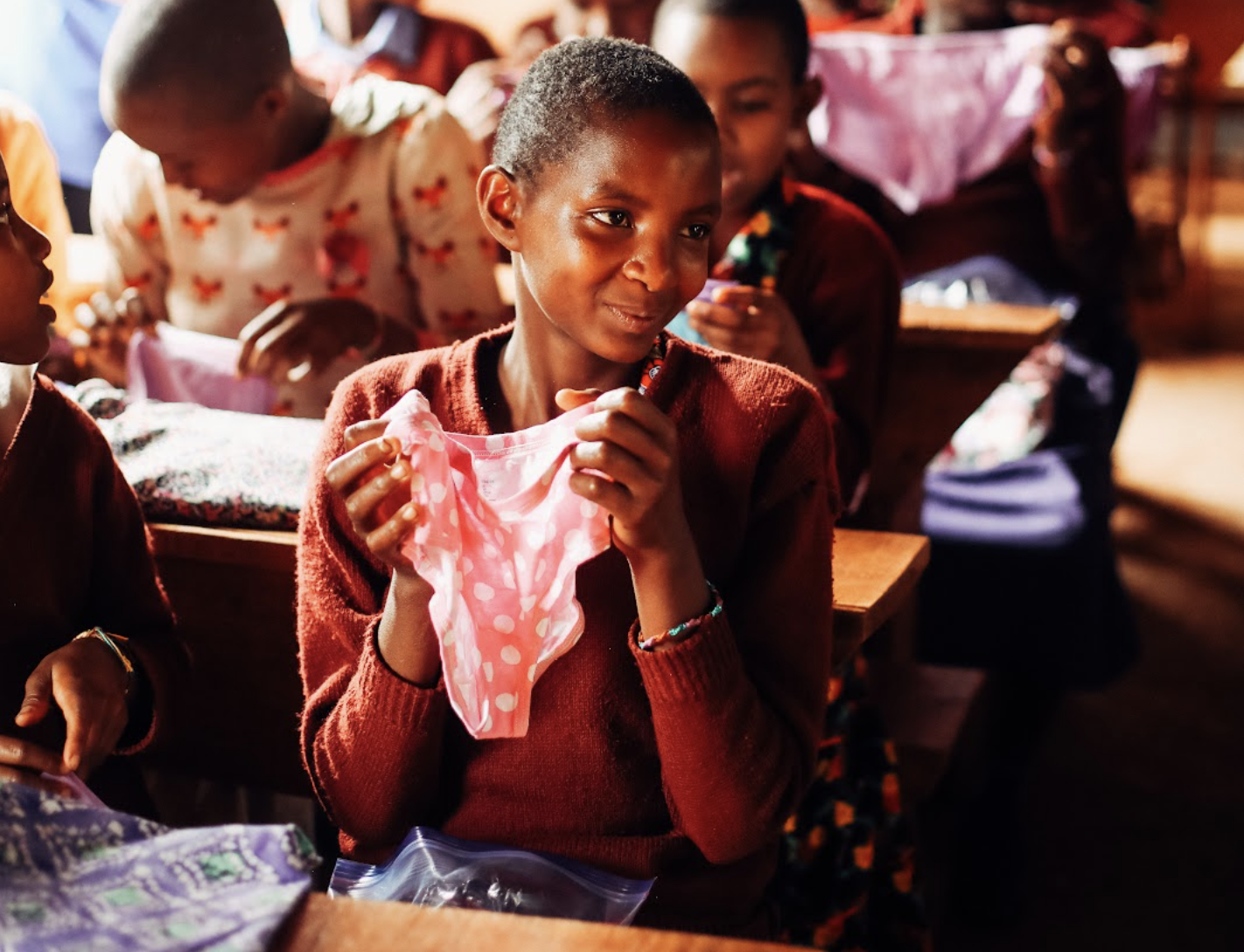
Earlier this year, Days for Girls International (DfG) – alongside WASH United and Irise Institute East Africa (IIEA) – announced the first installment of our newest project, The Menstrual Health (MH) Country Snapshot reports. These reports aim to provide an in-depth look at MH conditions, resources, policies and legislative opportunities at the country level. From…
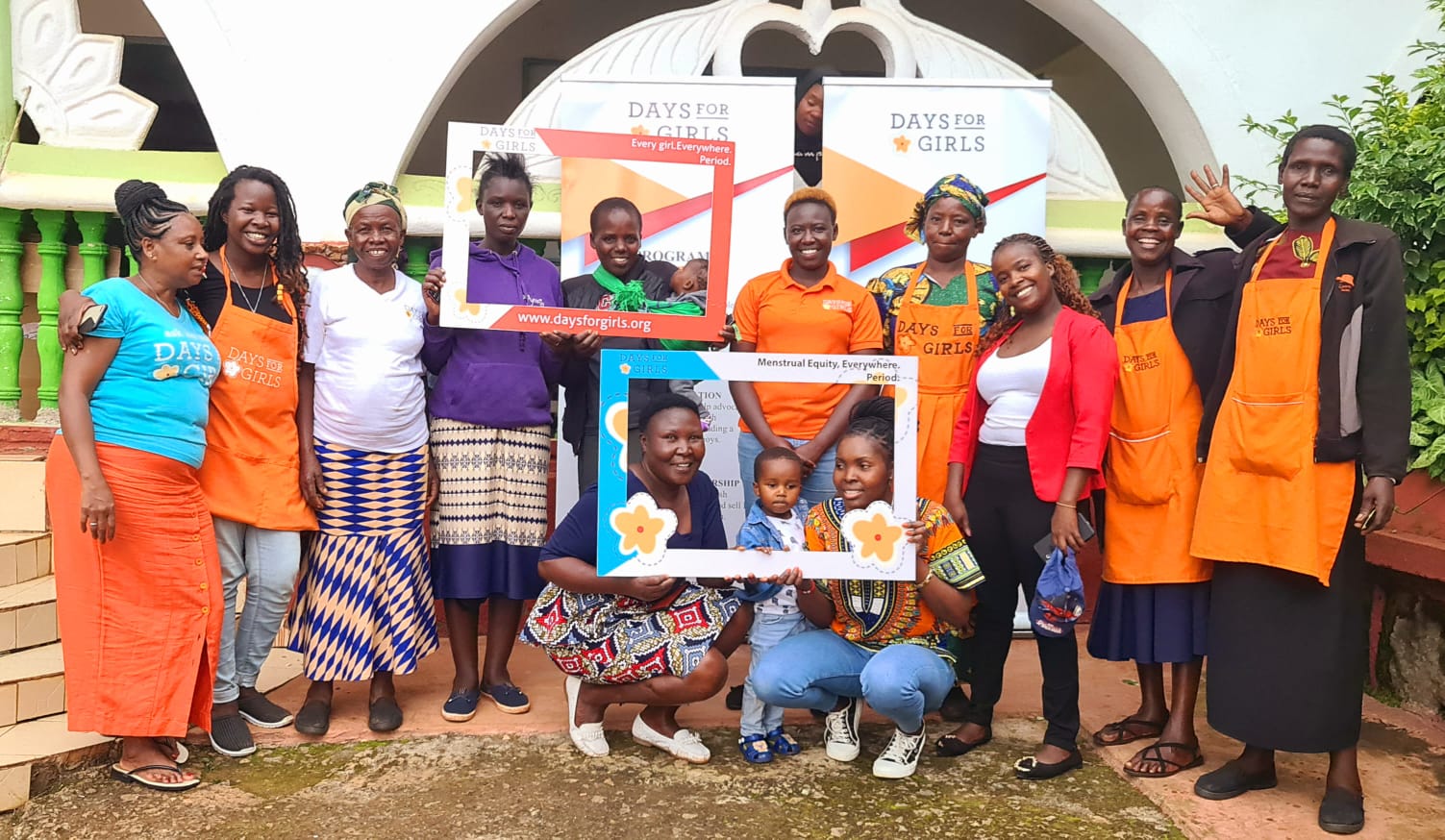
In 2008, Mt.Elgon, a Kenyan district near the border of Uganda, experienced a devastating and prolonged civil political conflict that resulted in approximately 200,000 people – nearly the entire population of Mt. Elgon – being displaced from their homes. Hundreds of people, particularly men, were killed in this clash, leaving many women widowed and traumatized.…
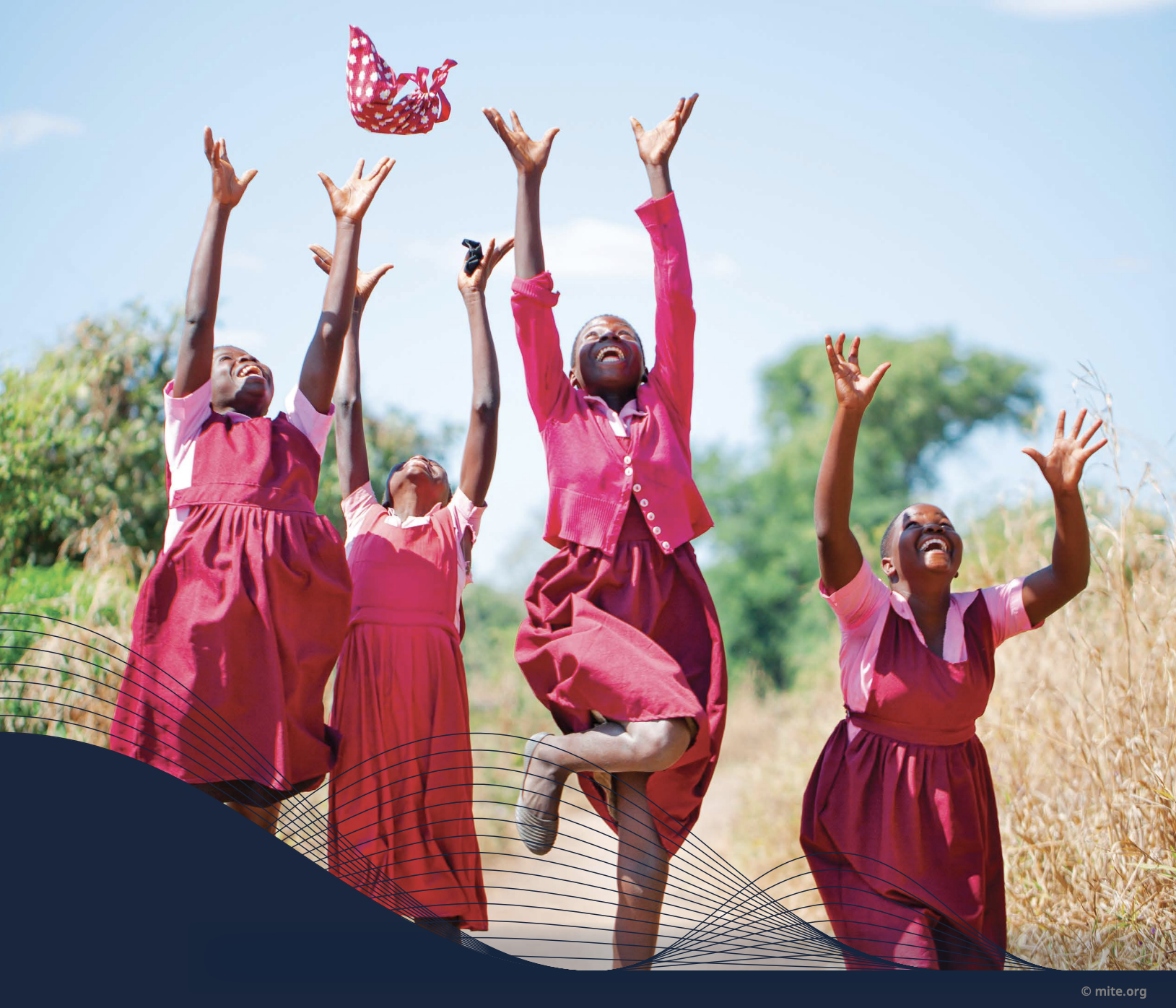
A conservative estimate suggests that at least 500 million people globally lack adequate education, supplies, water, sanitation and hygiene (WASH) facilities, and socio-legal support to safely manage menstruation, yet each day about 800 million people menstruate (UNICEF & World Bank). More difficult to estimate is how many people lack timely, age appropriate, and accurate information…
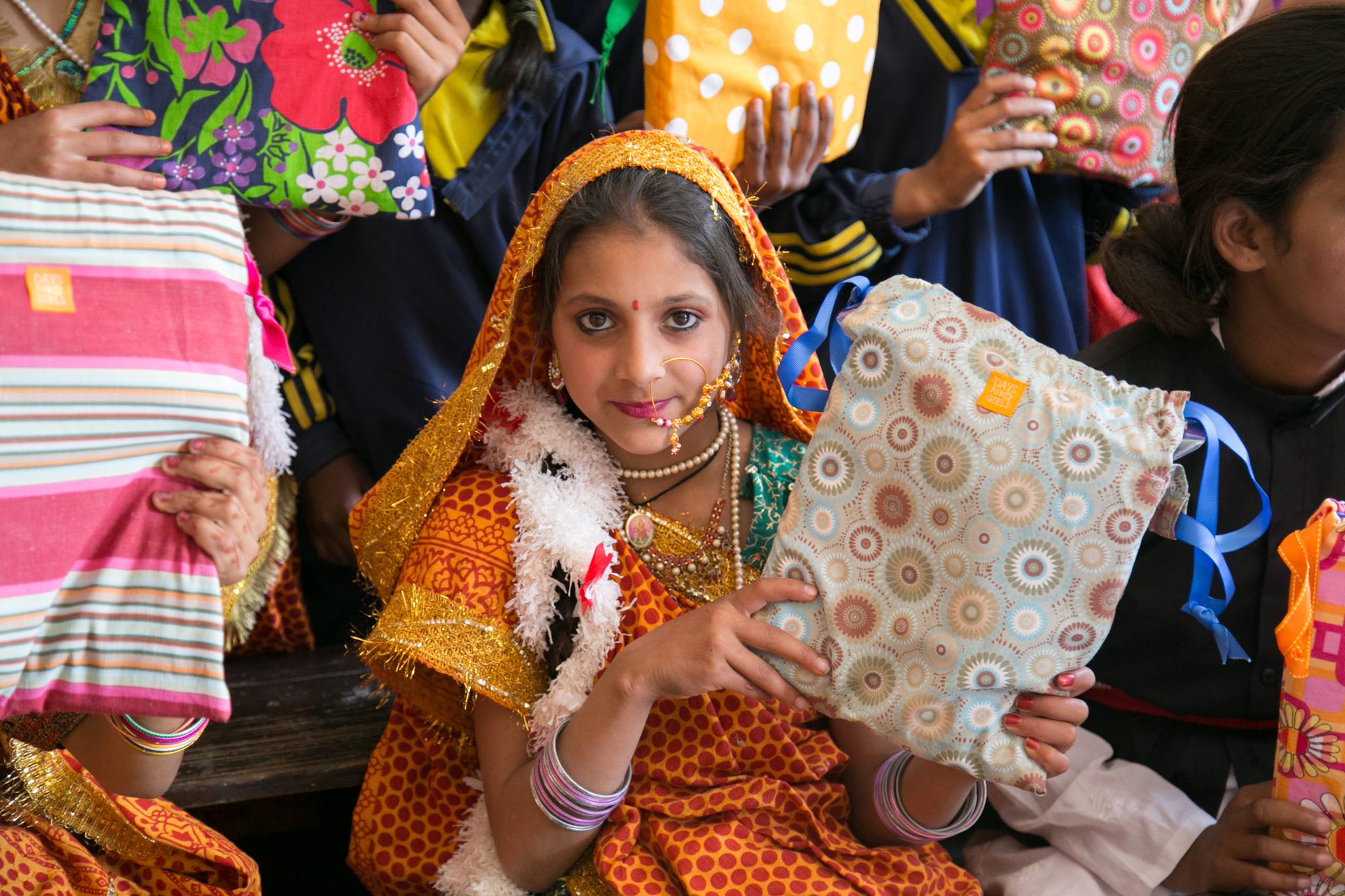
International Day of the Girl is October 11, 2022, and we hope you’ll join us for the First Annual Power of the Pad: a virtual event you won’t forget with inspirational speaker, Marli Williams. This is a great opportunity to gather with other passionate people from around the world and celebrate International Day of the…
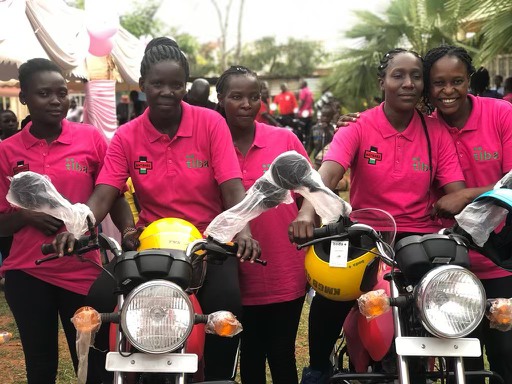
Inadequate menstrual health (MH) excludes a large number of women and girls in Kenya from equitable health, education and economic outcomes – let alone positions of influence and leadership. Sixty-five percent of women and girls cannot afford any brand of disposable sanitary pad on a monthly basis. As a result, many are coerced to engage…
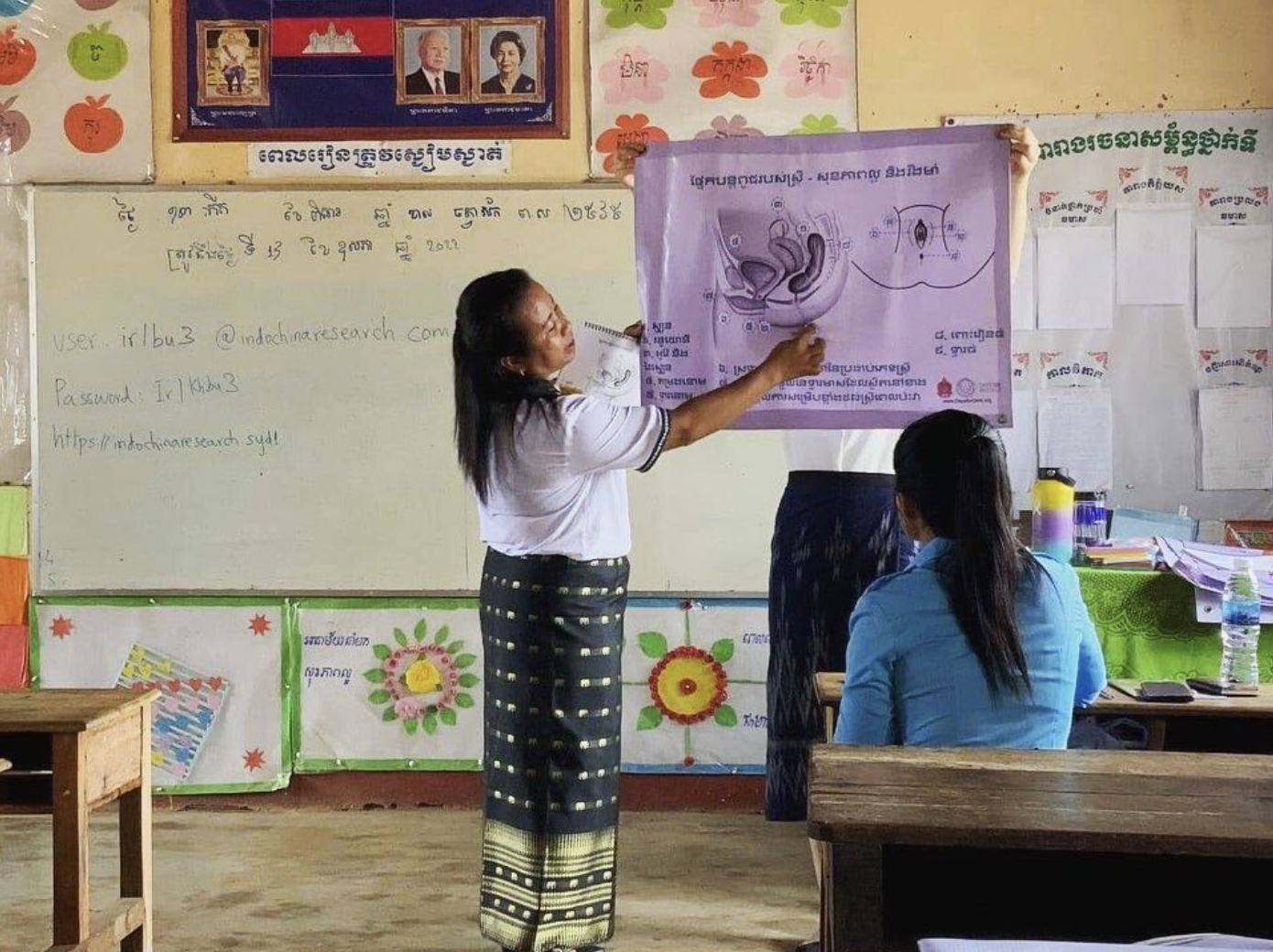
In 2019, Days for Girls began a strategic partnership with the Cambodian Ministry of Education, Youth and Sport (MoEYS) with the goal of developing and implementing age-appropriate and culturally-sensitive puberty and menstrual health (MH) education lessons for fifth-grade students throughout the country. This project is unique in that this is the first time DfG has…
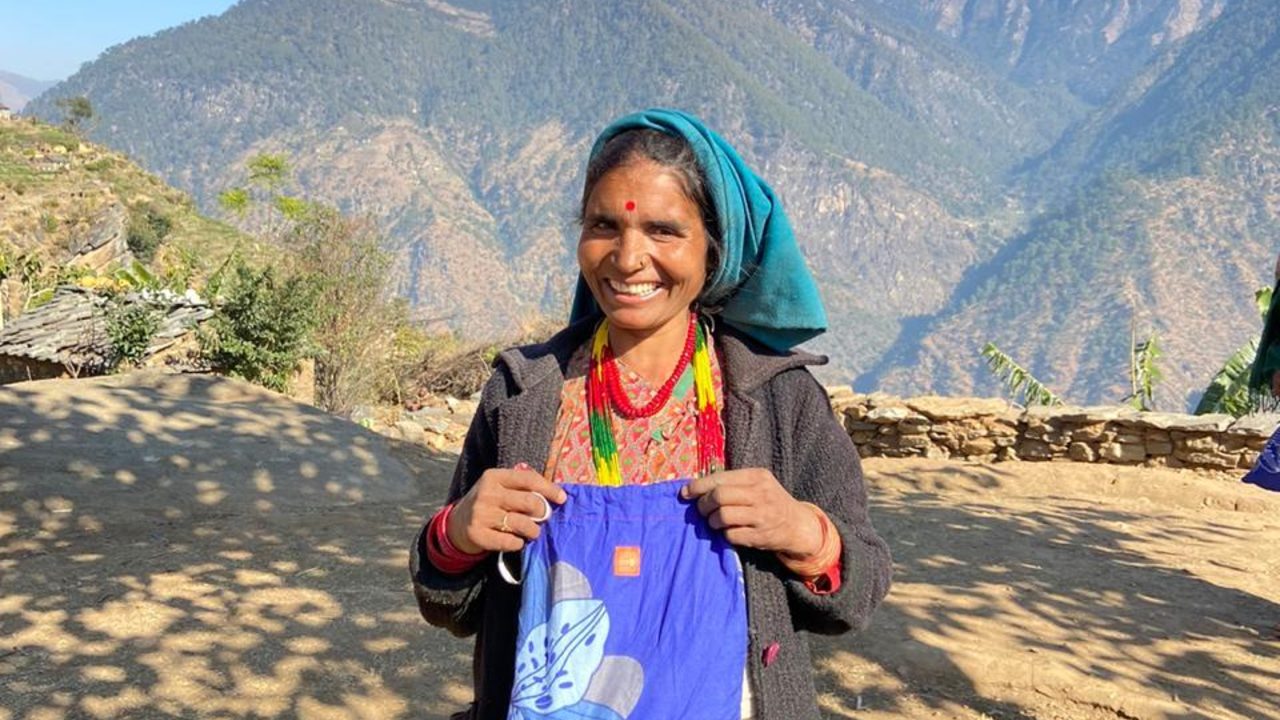
In November 2020 and February 2021, Days for Girls Nepal (DfGN) partnered with Rural Senses, a monitoring and evaluation company, to speak to girls and women in the Kalikot region of Nepal about what cultural beliefs and practices surround menstruation, its connection to menstrual health (MH), and how MH can impact cultural beliefs and practices…
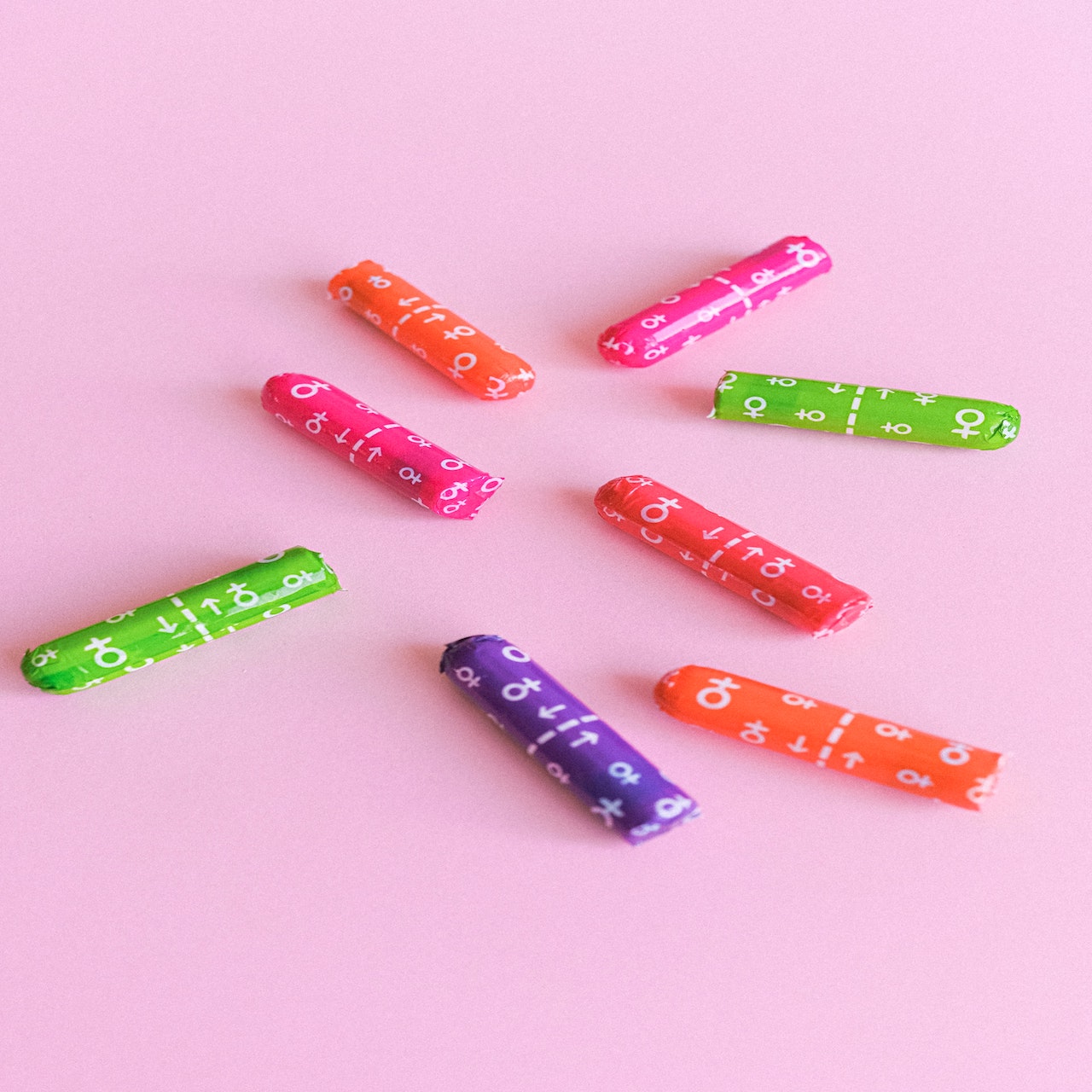
In 2020, while everyone was dealing with the isolation, uncertainty and economic blows of COVID-19, a recent study showed that menstruators were hit especially hard with period poverty. The study, entitled “Menstrual Product Insecurity Resulting From COVID-19‒Related Income Loss, United States, 2020” in the American Journal of Public Health, concluded that, “Pandemic-related income loss was…

It’s no secret that sometimes advocacy work can feel painstakingly slow, like we may never achieve the changes we desire. At other times, though, it can move lightning fast. At DfG, we advocate for improved menstrual health (MH) policies and programs – and we’ve learned that success is all about readiness. We must be ready…
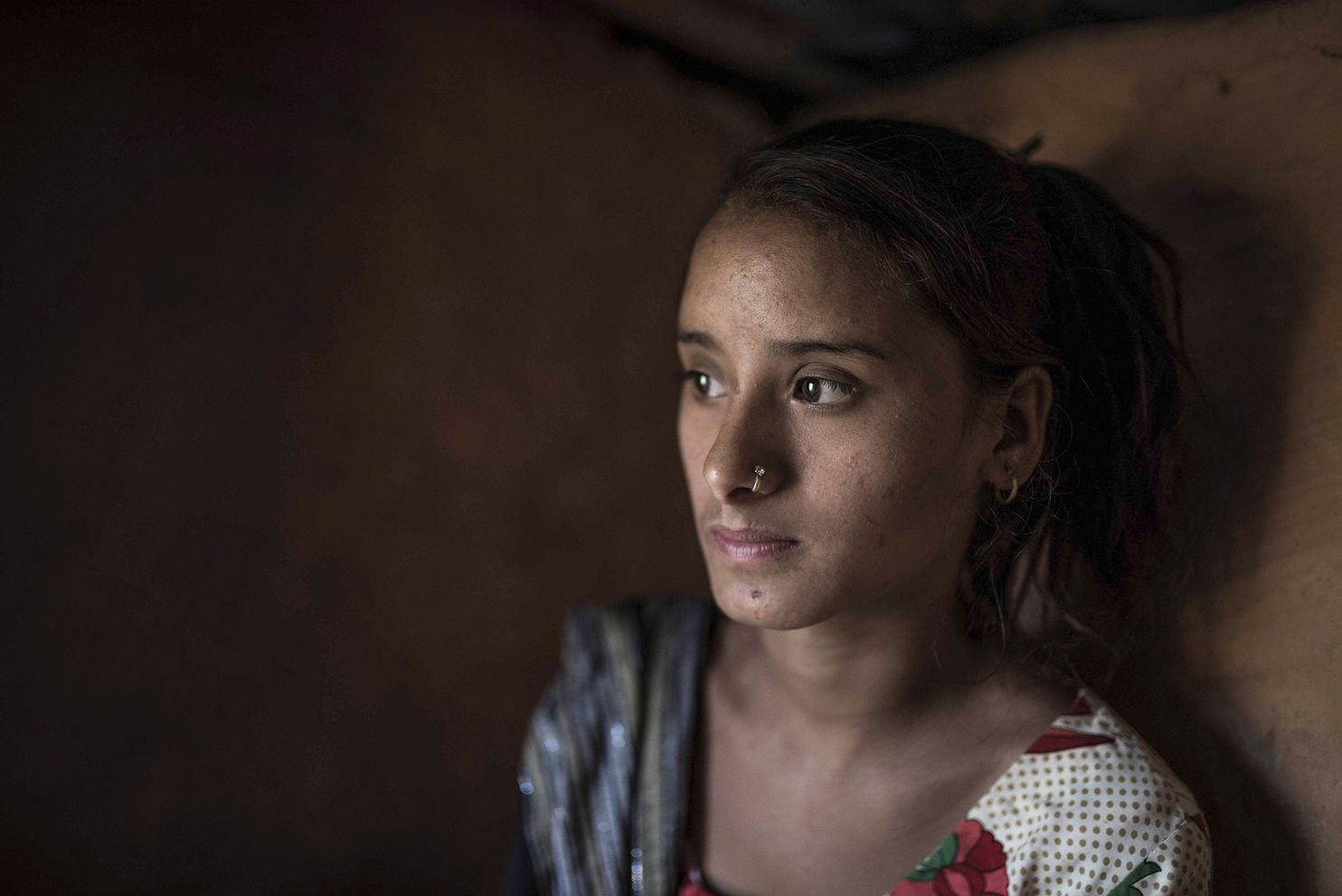
This Mental Health Month, Days for Girls is highlighting the interconnectedness of mental health and menstrual health. Menstrual health (MH) is defined as, “a state of complete physical, mental and social well-being in relation to the menstrual cycle.” Part of this includes, “a positive and respectful environment in relation to the menstrual cycle, free from…

Uniquely Positioned to Drive Deep and Lasting Change Sumitra (name changed), 28 years old and married at 17, lives in a rural community in Rajasthan, India with her three children, husband and his parents. The family used to earn $80 per month with almost all the adult members engaged in manual labor in stone quarries…

This year’s Menstrual Hygiene (MH) Day theme is #WeAreCommitted. After several years of raising awareness and declaring that it is #TimeForAction, the menstrual health field is stepping forward and calling for commitments and accountability. Our goal is to prompt stakeholders across many sectors to define a commitment for menstrual health that they will achieve in…
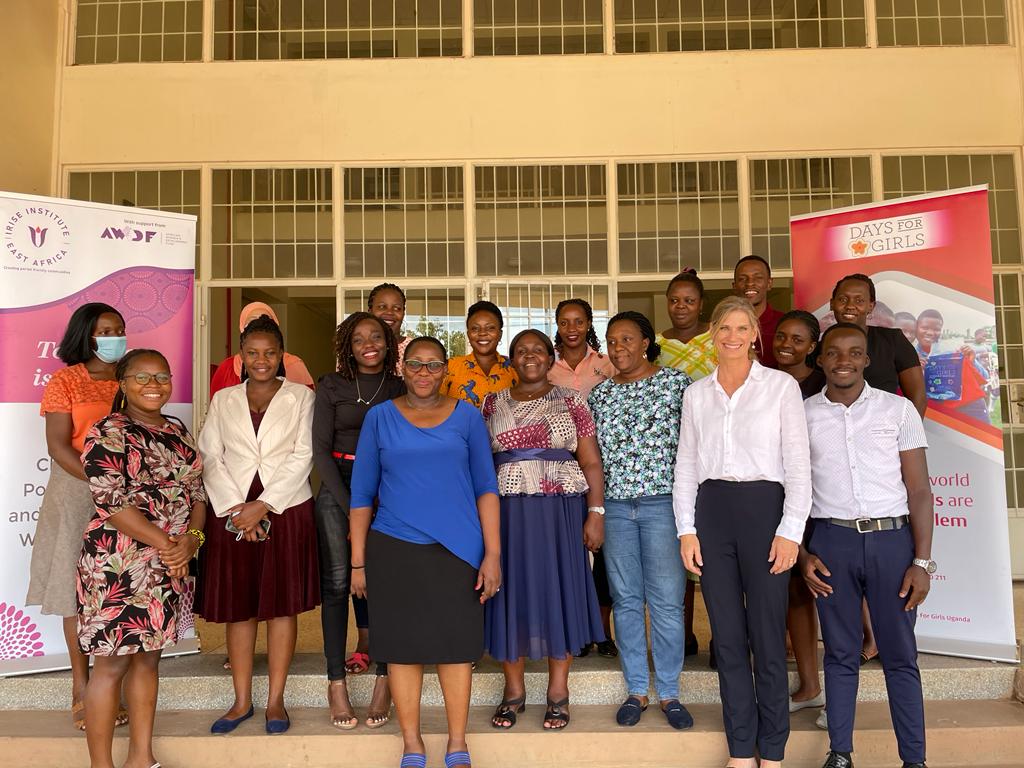
In April this year, the Ugandan government took an important step forward in advancing the country’s national strategy to eliminate menstrual barriers for women and girls. With support from Days for Girls (DfG), IRISE Institute East Africa, and the African Women’s Development Fund, Uganda’s Ministry of Education and Sport (MOES) convened a two-day technical working…
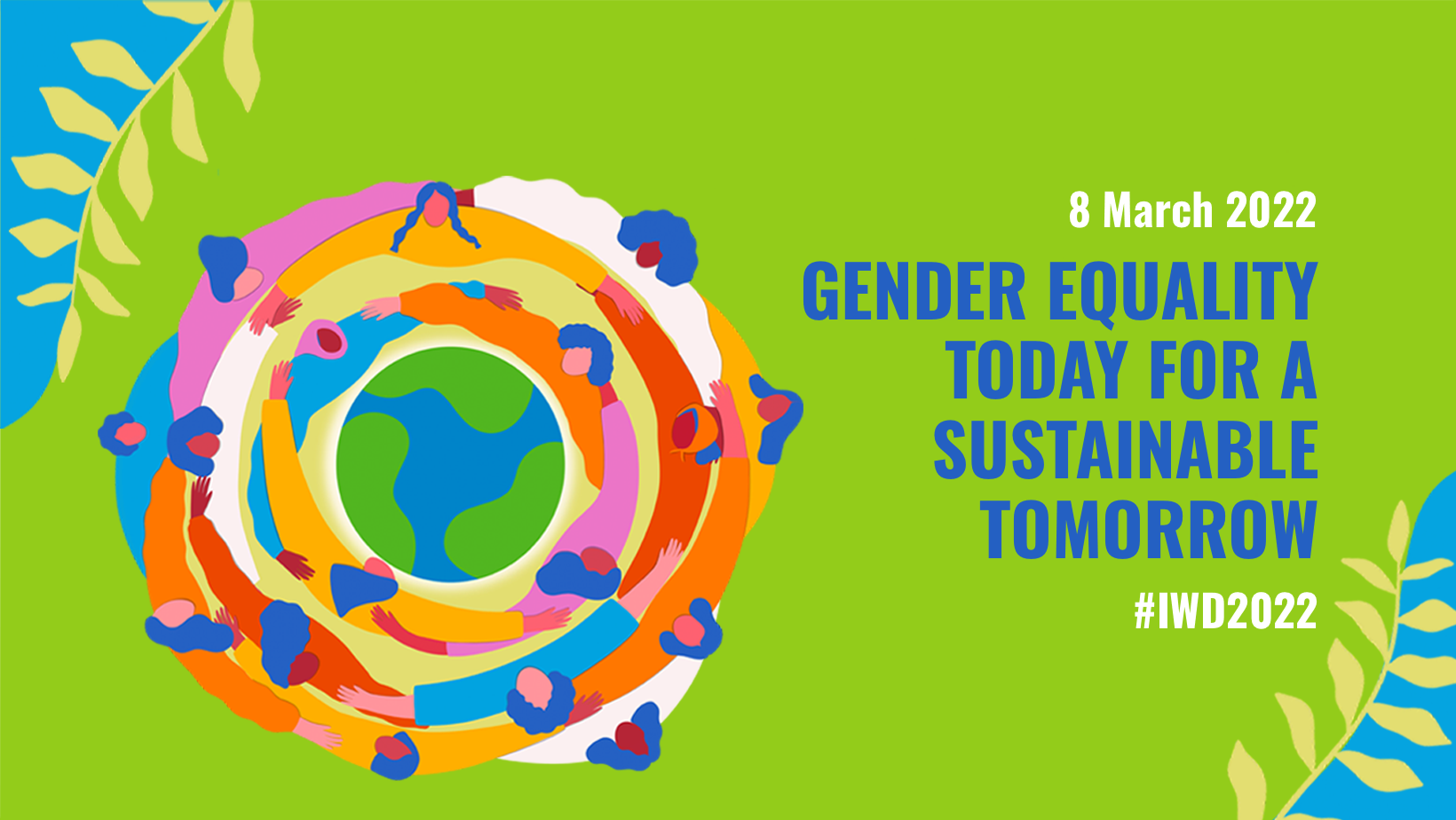
Tomorrow is International Women’s Day! This year, the theme “Gender Equality Today for a Sustainable Tomorrow” invites us to examine the pivotal role that women and girls play in building a sustainable future. It’s the perfect opportunity to shine a light on the importance of gender and menstrual equity in climate action – and to show…
© 2026 Days for Girls International. All rights reserved.
Site by CLCreative